

A meal should not require planning around the side of your mouth that hurts. Nor should a broken crown, missing teeth, worn enamel, or an uncomfortable denture make you hesitate to smile, speak, or book time with friends. Complex dental rehabilitation brings several restorative needs into one coordinated treatment plan, with the goal of helping you return to a healthy, comfortable, functional smile.
For some patients, the concern begins with one damaged tooth. For others, years of dental wear, untreated decay, gum concerns, tooth loss, or an old injury have affected several areas at once. A thoughtful plan can make treatment feel much more manageable because it addresses the whole picture rather than treating one urgent problem at a time.
What Complex Dental Rehabilitation Means
Complex dental rehabilitation is a customized approach to restoring teeth, bite function, and oral health when multiple concerns are present. It may involve rebuilding badly worn or broken teeth, replacing missing teeth, treating decay or infection, improving an unstable bite, or updating restorations that no longer fit well.
This is not a single procedure. It is a sequence of care chosen for your mouth, your goals, your comfort, and your schedule. Depending on your needs, treatment may include fillings, root canal therapy, extractions, crowns, bridges, dentures, dental implants, bonding, or gum care. Orthodontic treatment may also be considered when tooth position is contributing to bite problems or making teeth difficult to restore and clean.
The goal is not simply to make teeth look better. A successful rehabilitation should help you chew comfortably, speak clearly, keep teeth clean, protect remaining healthy tooth structure, and feel at ease with your smile.
When a Comprehensive Plan May Help
Many people assume they need complex care only after a major accident. In reality, gradual changes are often the reason to seek a comprehensive assessment. Teeth can become shorter, flatter, or more sensitive from grinding and clenching. Older fillings and crowns can crack or leak around the edges. Missing teeth may allow nearby teeth to drift, changing how the bite comes together.
You may benefit from a broader treatment plan if you have several damaged, missing, loose, or heavily restored teeth; frequent breakage of fillings or crowns; difficulty chewing; jaw fatigue; ongoing tooth sensitivity; or a denture that moves while you eat or speak. Dental pain, swelling, and a broken tooth should be evaluated promptly, especially when they interfere with daily life.
Aesthetic concerns can also be part of the conversation. When teeth are worn, discolored, uneven, or visibly damaged, restorative treatment may improve appearance while also strengthening the tooth. The right option depends on what is healthiest for your bite and the amount of natural tooth structure available.
The First Step Is a Complete Assessment
Good rehabilitation begins with careful diagnosis. At Kingsway Family Dentistry, the process starts by listening to what has changed for you. Perhaps you want to eat comfortably again, replace a missing tooth, prepare for an important life event, or stop a cycle of emergency repairs. Your priorities matter because they shape the order and scope of treatment.
A comprehensive examination may include digital X-rays, photographs, an assessment of gums and supporting bone, and a close look at your teeth, existing restorations, and bite. Your dentist will check for decay, cracks, infection, signs of grinding, and areas that may be under too much pressure.
This step is especially important when several teeth are involved. A crown can look attractive, for example, but it may not last as intended if the bite remains unbalanced or gum disease is untreated. Looking at the underlying cause helps protect the time and investment you make in your care.
Planning the Right Order of Treatment
Treatment is usually completed in phases. Urgent concerns such as pain, infection, or a fractured tooth often come first. Next, the focus may shift to stabilizing gum health, removing decay, or treating teeth that need root canal therapy before they can be restored.
Once the foundation is healthy, your dentist can plan permanent restorations such as crowns, bridges, dentures, or implants. In some cases, temporary restorations are used first. These allow you and your dental team to evaluate comfort, appearance, speech, and bite position before final work is completed.
There is no one-size-fits-all timeline. A patient replacing one or two missing teeth may have a shorter course of care than someone rebuilding a severely worn bite. Healing time, implant treatment, insurance coverage, work commitments, and personal comfort can all affect the schedule. Clear conversations about priorities make it possible to build a plan that is both clinically sound and realistic.
Restorative Options That May Be Part of Care
Crowns are often used to protect a tooth that is cracked, weakened by a large filling, or treated with a root canal. For qualifying cases, CEREC same-day crown technology can reduce the need for a temporary crown and a second visit. It is a convenient option, although it is not the best choice for every tooth or every type of restoration.
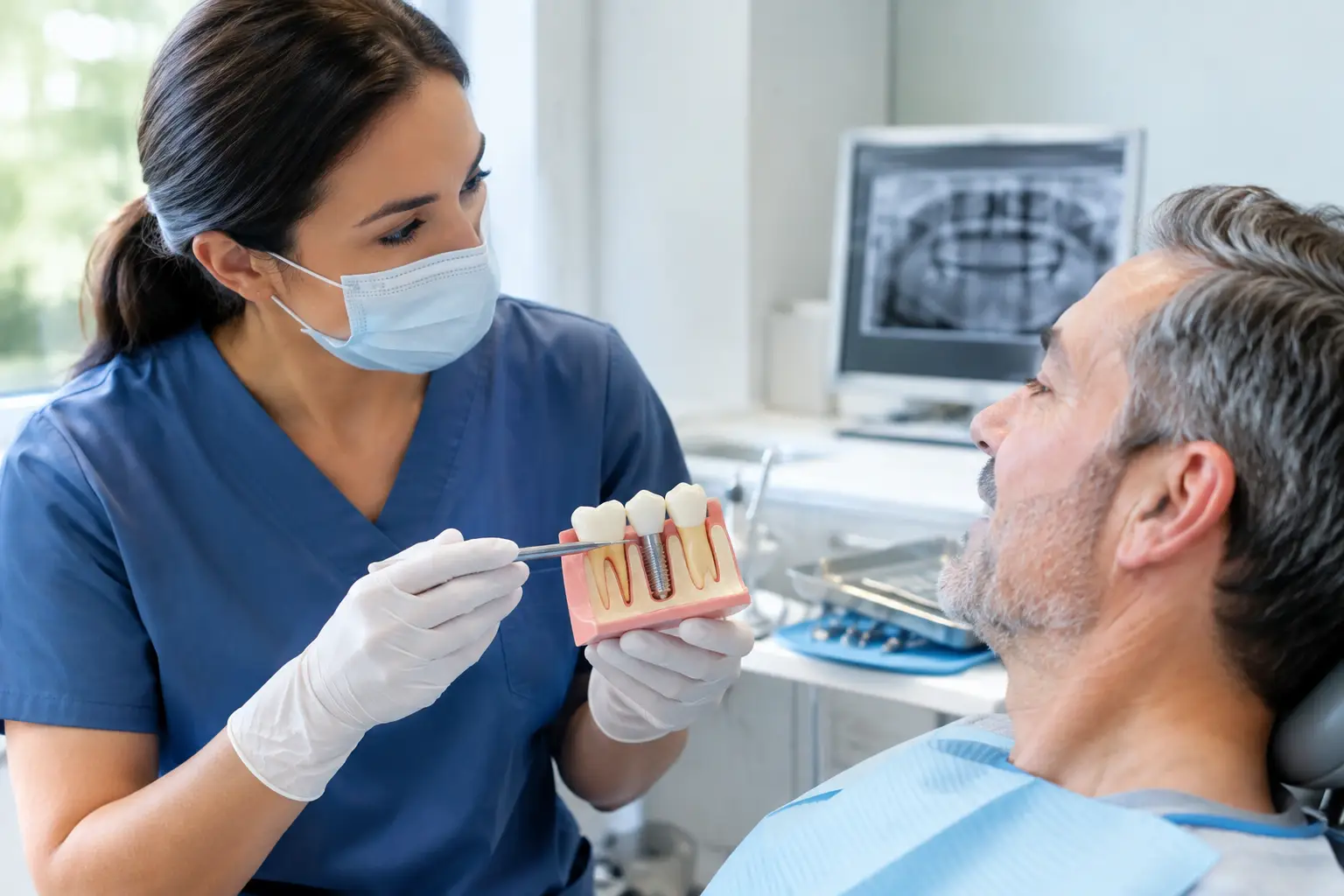
Bridges can replace one or more missing teeth by using neighboring teeth for support. Dental implants are another option for replacing missing teeth, providing support for a crown, bridge, or denture. Implants can be an excellent long-term solution for many patients, but they require adequate bone, healthy gums, and time for planning and healing.
Dentures may restore several missing teeth or a full arch of teeth. Modern dentures can be designed with comfort and natural appearance in mind, while implant-supported dentures may provide added stability for eligible patients. The best choice depends on factors such as the number and location of missing teeth, bone support, budget, medical history, and desired maintenance.
Sometimes, a more conservative approach is appropriate. Bonding or smaller restorations may preserve more natural enamel when damage is limited. Other times, a crown offers more reliable protection. Your dentist should explain the benefits, limitations, expected lifespan, and care needs of each option before treatment begins.
Comfort, Communication, and Practical Decisions
Complex treatment can sound overwhelming, particularly if dental care has been delayed because of fear, a busy schedule, or previous difficult experiences. A supportive dental team can break care into clear stages and explain what will happen at each appointment. You should feel comfortable asking why a treatment is recommended, what alternatives exist, and what may happen if you choose to wait.
Finances are part of treatment planning too. A phased approach may allow you to address health priorities first and schedule elective or longer-term work later. Insurance benefits can be reviewed, but treatment decisions should ultimately be based on what supports your oral health and function, not simply what is covered in a given year.
Daily care remains essential after rehabilitation. Brushing twice a day with fluoride toothpaste, cleaning between teeth, attending hygiene visits, and wearing a night guard if prescribed can help protect restorations and natural teeth. Crowns, bridges, implants, and dentures are durable, but they still need regular professional monitoring.
A Healthier Smile Can Start With One Visit
You do not need to have every answer before booking an appointment. If eating is uncomfortable, your teeth keep breaking, you are missing teeth, or you are tired of patchwork repairs, a comprehensive exam can clarify the next step. The first goal is simple: understand what is happening and give you practical options.
With a calm, well-paced plan, complex dental care becomes a series of manageable decisions. A comfortable bite and a smile you feel good sharing are worth taking that first step.