
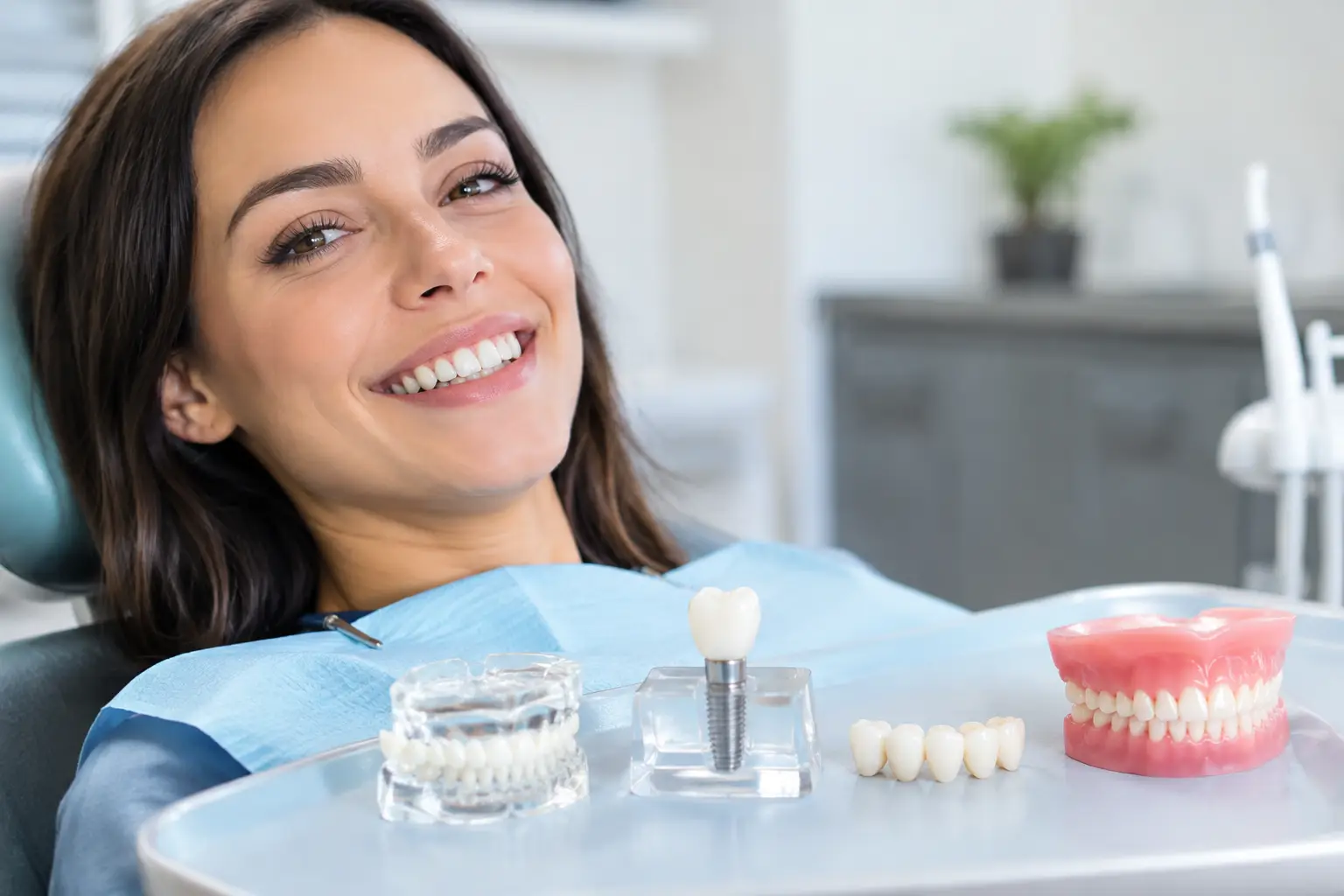

A missing tooth can change more than a photograph. It may make it harder to chew comfortably, affect the way you speak, or leave neighboring teeth without the support they need. The best options replacing missing teeth depend on where the tooth was lost, how many teeth are missing, the health of your gums and jawbone, and what feels manageable for your schedule and budget.
There is no single right choice for every patient. A comprehensive examination, digital imaging, and a conversation about your goals help turn a big decision into a clear treatment plan. Whether you lost a tooth recently or have lived with a gap for years, replacing it can protect your bite and help you feel more at ease with your smile.
Why replacing a missing tooth matters
When a tooth is missing, the surrounding teeth can gradually drift toward the open space. This movement may change your bite and create areas that are harder to clean. A tooth in the opposite jaw may also begin to move because it no longer has a tooth to bite against.
Missing back teeth can limit how well you chew, while missing front teeth can affect speech and confidence. If several teeth are missing, the jawbone may lose stimulation over time. Bone changes are one reason it is helpful to discuss replacement options sooner rather than later, even if the gap is not currently painful.
That said, timing and treatment are personal. Some patients need a tooth extraction first and a period of healing afterward. Others may need gum treatment, a bone graft, or restorative work on nearby teeth before moving forward. Careful planning helps ensure the replacement is stable, comfortable, and designed to last.
Best options replacing missing teeth: the main choices
The most common choices are a dental implant, fixed bridge, removable partial denture, or complete denture. Each restores function differently, and each has benefits and trade-offs worth understanding.
Dental implants
A dental implant replaces the root of a missing tooth with a small post placed in the jawbone. After healing, a custom crown is attached to the implant. For one missing tooth, this creates a replacement that looks, feels, and functions much like a natural tooth.
One major advantage is that an implant does not rely on the teeth beside the gap for support. It also provides stimulation to the jawbone, which can help preserve bone in that area. Implants can support a single crown, several replacement teeth, or a full arch of teeth in appropriate cases.
Implants require adequate bone and healthy gums, although bone grafting may be an option when bone volume is limited. Treatment usually takes several appointments over a period of months because healing is part of the process. They also tend to involve a greater upfront investment than removable options. For patients seeking a fixed, independent replacement, however, an implant is often an excellent long-term solution.
Dental bridges
A dental bridge fills a gap by connecting a replacement tooth to crowns on the teeth beside it. A traditional bridge is fixed in place, so it is not removed for cleaning. It can be a practical option when the neighboring teeth already need crowns because of large fillings, fractures, or wear.
A bridge generally takes less time than an implant and can restore chewing and appearance very effectively. It does, however, require preparation of the supporting teeth. Those teeth need to remain healthy and strong over time, since they carry the added load of the replacement tooth.
Daily cleaning under a bridge is essential. Special floss threaders or small interdental brushes can help keep the area beneath the replacement tooth clean. With consistent home care and regular dental visits, a bridge can serve patients well for many years.
Removable partial dentures
A partial denture replaces one or more missing teeth and is designed to be removed for cleaning and while sleeping. It may use clasps or other attachments to rest securely alongside your remaining teeth. Modern partial dentures can be made with materials selected for comfort, appearance, and the needs of your bite.
This option can be especially useful when several teeth are missing in different areas of the mouth, or when implants and bridges are not the right fit. A partial denture is often more affordable initially and can be made without altering as many natural teeth as a traditional bridge.
The trade-off is that a removable appliance may take time to get used to. It must be cleaned carefully, and it may need adjustment as your mouth changes. Some patients appreciate its flexibility, while others prefer the stability of a fixed option. The right answer depends on your priorities as much as the clinical details.
Complete dentures
Complete dentures replace all teeth in an upper arch, lower arch, or both. They are custom-made to support facial appearance, speech, and everyday eating. For someone with extensive tooth loss, dentures can provide an important return to daily comfort and confidence.
Traditional complete dentures rest on the gums and are removable. Because the lower jaw often has less surface area to hold a denture in place, lower dentures may feel less stable for some patients. Implant-supported dentures can improve retention by connecting a denture to strategically placed implants.
Implant-supported dentures are still removable in many cases, but they can feel noticeably more secure during meals and conversation. They may also help reduce pressure on the gums. This approach requires surgery and healing time, so the best plan depends on bone health, medical history, and the patient’s preferences.
How to choose the right tooth replacement
The question is not simply, “Which option is best?” It is, “Which option is best for your mouth and your life?” A single missing tooth in a healthy smile calls for a different approach than a full arch of missing teeth. The condition of your remaining teeth matters as well. If nearby teeth already need crowns, a bridge may make practical sense. If they are completely healthy, an implant may allow them to remain untouched.
Your gum health, bite forces, jawbone, and health history also guide the decision. People who grind or clench their teeth may need added protection for any restoration. Patients managing conditions that affect healing need treatment planning that accounts for their overall care. These are not barriers to finding a solution, but they are reasons to avoid one-size-fits-all recommendations.
Cost and timing deserve an honest conversation, too. A removable denture may offer a faster, lower-cost starting point. A bridge may provide a fixed solution on a shorter timeline than an implant. An implant may involve more appointments and investment initially, while offering benefits that appeal to patients focused on long-term stability. Your dental team can explain anticipated steps, fees, care needs, and alternatives before treatment begins.
What treatment usually looks like
The process begins with a comprehensive examination and digital X-rays to assess the missing-tooth area, surrounding teeth, gums, and bone. If pain, infection, or a broken tooth is involved, the first priority is relieving discomfort and protecting your oral health. In some situations, a temporary replacement may be recommended while healing or planning takes place.
Once a plan is in place, impressions or digital scans are used to create a restoration that suits your smile and bite. The goal is not merely to fill a space. A well-planned replacement should help you chew comfortably, clean effectively, and feel confident speaking and smiling.
After treatment, regular hygiene visits and home care remain essential. Crowns, bridges, dentures, and implants need ongoing attention, just like natural teeth. Brushing twice daily, cleaning between teeth, and attending recommended checkups help your investment stay healthy.
A comfortable next step
Living with a missing tooth does not mean you need to rush into a decision. It does mean you deserve clear information and a plan built around your health, comfort, and everyday needs. A caring dental team can walk you through the options, answer practical questions, and help you choose a replacement that feels right for your smile. The best next step is simply to schedule an examination and start the conversation.