
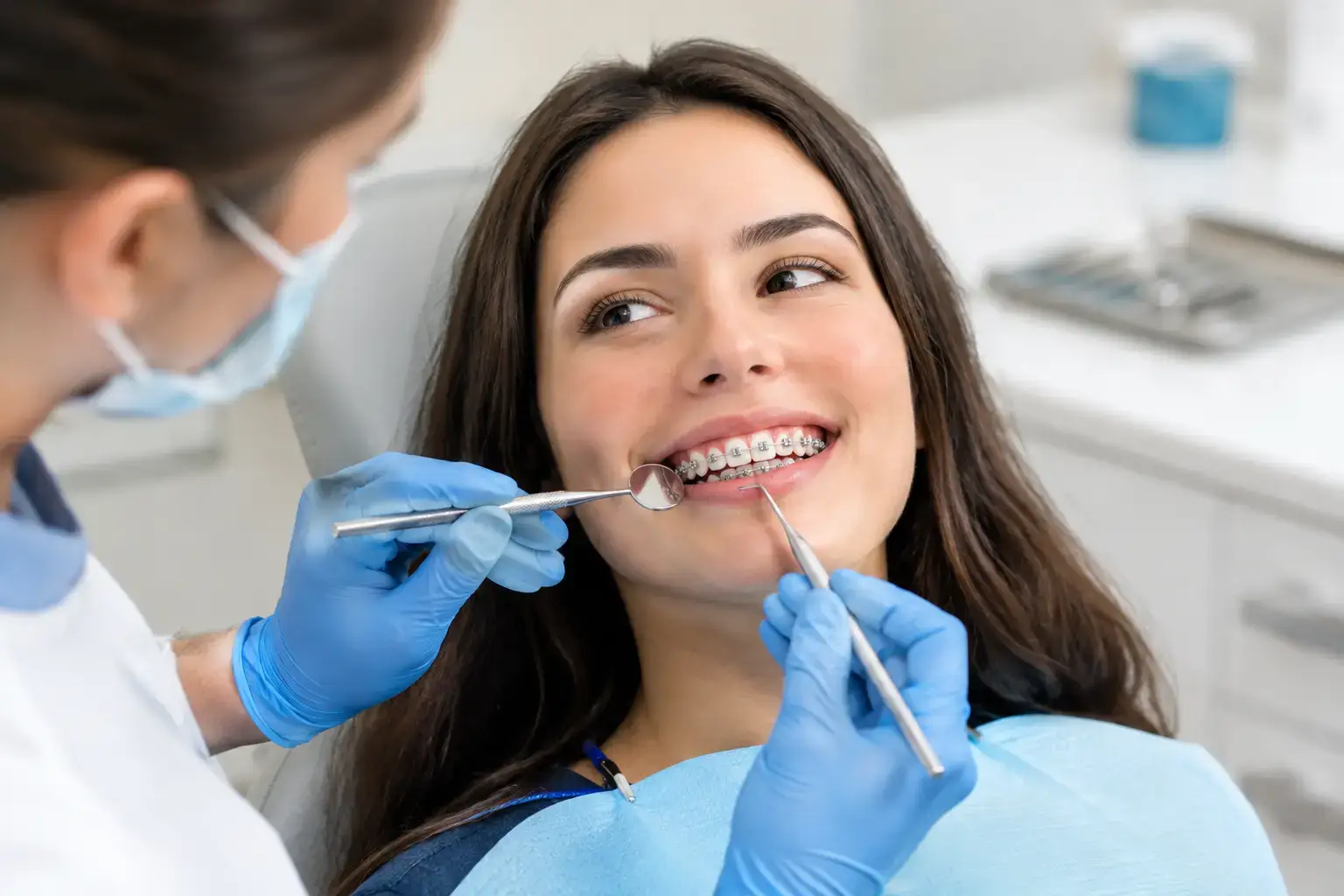

A new orthodontic appointment should not feel like a mystery. If you are asking, “do braces hurt?” the honest answer is that braces can cause temporary soreness and pressure, especially after they are first placed or adjusted. Most patients do not describe it as sharp pain. It is more like the tender, tight feeling that comes from teeth beginning to move.
Knowing what is normal can make treatment feel far more manageable. Whether you are considering braces for your child or yourself, a clear plan, gentle care, and a few simple comfort measures can help the first days go smoothly.
Do Braces Hurt When They Are Put On?
Putting braces on is usually not painful. Your dentist or orthodontic provider cleans and prepares the teeth, places a small amount of bonding material, and attaches brackets. The wire is then fitted into the brackets. You may need to keep your mouth open for a while, but the process itself should not hurt.
The soreness generally begins a few hours later, once the wire starts applying gentle, consistent force to the teeth. It is common for teeth to feel sensitive when biting or chewing for the first two to four days. For some people, the tenderness lasts closer to a week, but it should steadily improve.
Children and adults can experience this differently. A child may be more bothered by changes in texture or by the feeling of brackets against the lips and cheeks. Adults may notice pressure more readily because they have had years to become used to how their bite feels. In both cases, the adjustment period is temporary.
What Braces Discomfort Feels Like
Braces move teeth by placing controlled pressure on them over time. That pressure can create a dull ache, tenderness around individual teeth, or sensitivity when eating. Your teeth may feel slightly loose at times, which can be alarming if you do not expect it. A small amount of movement is part of the orthodontic process and allows teeth to shift into healthier positions.
The brackets and wires can also irritate the inside of the cheeks or lips at first. This is different from tooth pressure. It may feel like a rough spot rubbing against soft tissue, and it can sometimes cause a small sore. As your mouth adjusts, the cheeks and lips usually become less sensitive to the brackets.
A wire that is poking, a bracket that has come loose, or a sore that keeps getting worse is not something to simply tolerate. Contact your dental team for guidance. A quick adjustment can often solve the problem and prevent further irritation.
When Braces Are Most Likely to Feel Sore
The first week with braces is often the biggest adjustment. Soreness may return after regular adjustment appointments, when the wire is changed or treatment is advanced. This usually lasts only a day or two because your mouth is already accustomed to the appliances.
There can also be short periods of discomfort when elastics are added or when an appliance is used to guide the bite. Elastics may make the jaw and teeth feel tired at first, but wearing them as directed helps the mouth adapt. Skipping them to avoid soreness can delay treatment and may make it harder to achieve the planned result.
Some appointments are more noticeable than others. The amount of pressure needed depends on how teeth are positioned, how the bite is developing, and the stage of treatment. Your provider should explain what is changing at each visit so you know what to expect afterward.
How to Ease Braces Pain at Home
For the first few days after braces are placed or adjusted, softer foods are usually more comfortable. Yogurt, eggs, soup, pasta, oatmeal, soft fruit, and smoothies can give tender teeth a break. It is wise to avoid hard, crunchy, sticky, or chewy foods, both because they may hurt to bite and because they can damage brackets or wires.
Orthodontic wax can be very helpful if a bracket rubs against the cheek or lip. Dry the area gently with a tissue, press a small piece of wax over the rough spot, and replace it as needed. Warm salt-water rinses may also soothe minor mouth irritation. Use a gentle rinse, especially after meals, and follow any specific instructions from your dental team.
An over-the-counter pain reliever may help with temporary soreness when used as directed on the label and when appropriate for the patient. Parents should check with their child’s physician or pharmacist if they have questions about age, dosage, allergies, or other medications. Do not place aspirin directly on gums or teeth, as this can irritate the tissue.
Good brushing and flossing matter even more during orthodontic treatment. Food caught around brackets can make gums tender and increase the risk of cavities or staining. A soft-bristled toothbrush, fluoride toothpaste, and the cleaning tools recommended by your provider can keep the mouth feeling fresher and more comfortable.
Do Braces Hurt More Than Invisalign?
Both braces and clear aligners use gentle pressure to move teeth, so either option can cause temporary soreness. Clear aligners are smooth and removable, which means they often cause less cheek and lip irritation than brackets. However, a new set of aligners can make teeth feel tight for the first day or two.
Traditional braces may be the better option for some orthodontic concerns, particularly when more precise control is needed or when a patient may struggle to wear removable aligners for the required number of hours each day. Clear aligners can be a good fit for many teens and adults, but they require consistent wear and careful handling.
The right choice is not only about comfort. A comprehensive examination, digital imaging, and a personalized treatment plan help determine which approach can safely and effectively address crowding, spacing, bite concerns, or tooth alignment.
When Braces Pain Is Not Normal
Normal orthodontic soreness should be mild to moderate, temporary, and improving. Call your dental provider if pain is severe, keeps you awake, lasts longer than expected, or does not improve with simple comfort measures. You should also call if a wire is digging into the cheek, a bracket is loose, a tooth has been injured, gums are very swollen, or you develop signs of infection such as fever or facial swelling.
Do not try to cut a wire or repair a bracket yourself. If a wire is bothering you outside office hours, orthodontic wax may cover the end until you can be seen. Your dental team can tell you whether the situation needs prompt attention and help you decide what to do next.
A Comfortable Start Makes a Difference
Braces ask your mouth to adapt, but they should never leave you feeling unsupported or unsure. Clear instructions, realistic expectations, and easy access to help make the process less stressful for children, teens, and adults alike. At Kingsway Family Dentistry, patients can ask questions about orthodontic treatment, comfort concerns, and the best way to care for their smile at every stage.
A little tenderness is often a sign that treatment is doing its job. With the right support, that early adjustment can become a small step toward a healthier, more confident smile.