
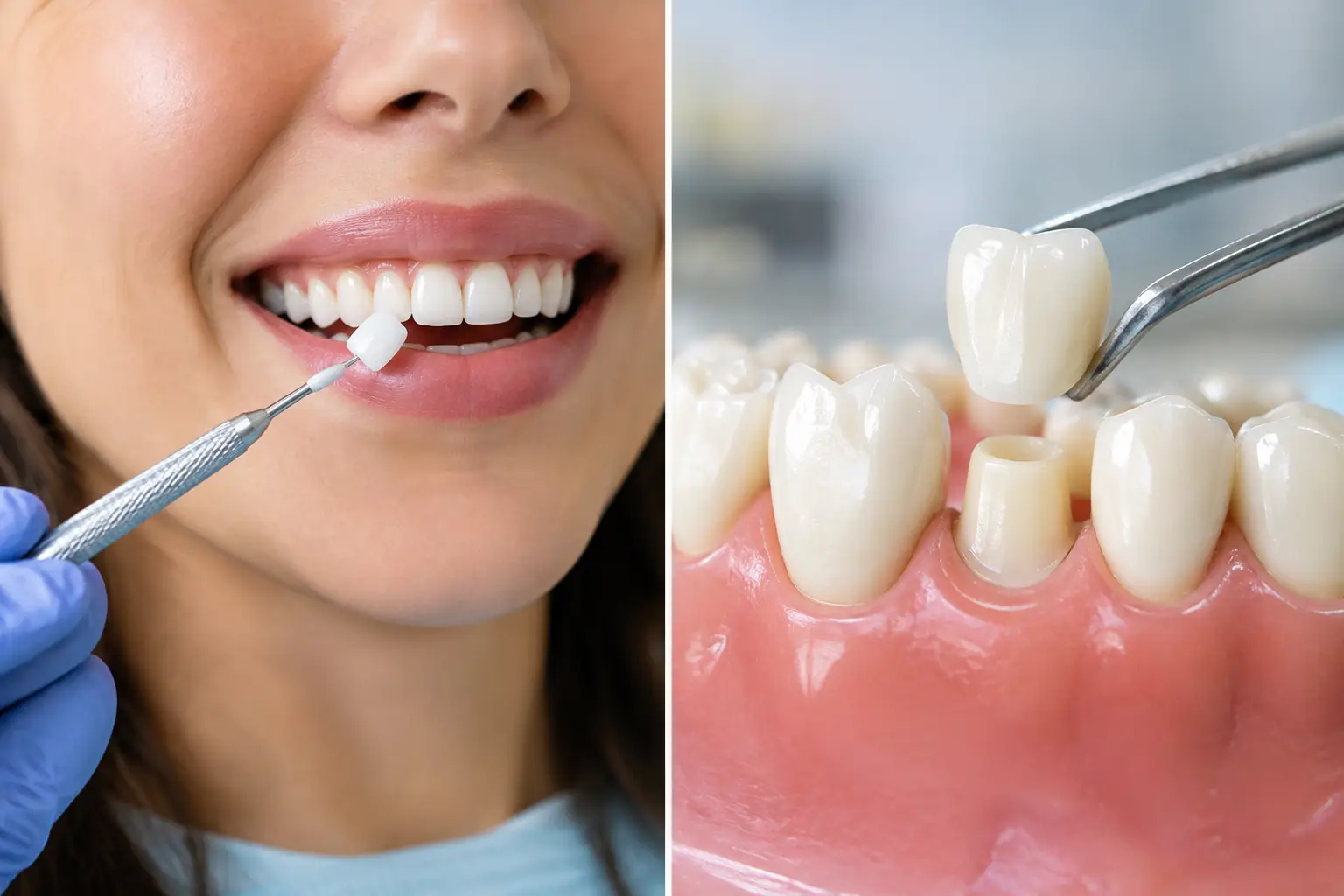

A chipped front tooth before family photos, a dark filling that keeps breaking, or pain when you bite can all lead to the same question: dental bonding versus crowns – which treatment makes sense for your tooth? The answer is not simply about which option looks better or costs less upfront. It depends on how much healthy tooth structure remains, where the damage is located, how you bite, and what will protect your smile for the long term.
At Kingsway Family Dentistry, treatment recommendations begin with a comprehensive examination, digital imaging when needed, and a clear conversation about your goals. Some teeth need a conservative cosmetic repair. Others need full coverage to avoid a larger fracture or repeated dental work later.
What dental bonding is designed to do
Dental bonding uses a tooth-colored composite resin to repair or reshape part of a tooth. Your dentist carefully matches the resin to your natural tooth color, applies it in layers, shapes it, hardens it with a curing light, and polishes it for a natural finish.
Bonding is often a good choice for a small chip, a worn edge, a narrow gap, mild discoloration, or a tooth that needs a modest shape adjustment. It can also repair a small area around an older filling when the rest of the tooth is healthy.
One of bonding’s main benefits is that it is conservative. Little to no natural enamel may need to be removed, depending on the repair. Many appointments can be completed in one visit, making it appealing for busy adults and families who want an efficient cosmetic improvement.
Composite resin is strong, but it is not as durable as a crown. It can chip, stain, or wear over time, especially on front teeth used to bite nails, open packages, or chew ice. Bonding can usually be repaired, but it may need periodic polishing, touch-ups, or replacement.
When a crown offers better protection
A dental crown is a custom restoration that covers the entire visible portion of a tooth above the gumline. It is designed to restore a tooth’s shape, strength, appearance, and chewing function when a filling or bonded repair would not provide enough support.
Crowns are commonly recommended for teeth with a large cavity, extensive old fillings, cracks, major fractures, significant wear, or weakened structure after root canal treatment. They can also improve the appearance of a severely discolored or misshapen tooth when other cosmetic options are not appropriate.
Unlike bonding, a crown requires the tooth to be prepared so the restoration can fit securely. That means some enamel is reshaped. Although this is more involved than bonding, the trade-off is meaningful protection for a tooth that is already structurally compromised.
For many patients, a crown is not about choosing a more dramatic treatment. It is about helping a vulnerable tooth withstand normal chewing forces. A large bonded filling may look good initially, but if too little healthy tooth remains around it, the tooth can crack. A crown distributes biting pressure around the tooth and may reduce the risk of a more serious break.
Same-day crowns can simplify care
Traditional crowns may require more than one visit and a temporary crown while the final restoration is made. With CEREC same-day crown technology, eligible patients may be able to have their tooth prepared, digitally scanned, designed, and restored in a single appointment.
Same-day care is particularly helpful when a busy schedule makes multiple appointments difficult or when a damaged tooth needs timely protection. Your dentist will still confirm whether a same-day crown is suitable for your specific tooth, bite, and treatment needs.
Dental bonding versus crowns: the key differences
The biggest difference between dental bonding versus crowns is coverage. Bonding repairs a specific area of the tooth. A crown covers and protects the whole tooth. That distinction affects durability, preparation, cost, and the situations each treatment can address.
Bonding is generally less invasive and usually costs less at the time of treatment. It is a practical option when damage is limited and the underlying tooth is stable. It is also useful when a patient wants a subtle cosmetic change without permanently altering much enamel.
Crowns are generally a larger investment because they are custom-made restorations that require more planning and preparation. However, they tend to last longer than bonding when properly cared for and can prevent the cycle of replacing increasingly large fillings. For a heavily damaged back tooth, choosing bonding solely because it costs less initially can sometimes lead to repeated repairs or a fracture that makes future treatment more complex.
Appearance matters, too. Both options can be made to blend beautifully with surrounding teeth. Bonding is especially effective for small, precise front-tooth improvements. Crowns offer more control when the entire tooth needs a change in color, shape, or strength. If you are considering whitening, it is helpful to discuss timing first, because bonded resin and crowns do not whiten in the same way natural enamel does.
Location and bite force matter
The location of the tooth can shift the recommendation. Front teeth are visible and often good candidates for conservative bonding when damage is small. Still, people who clench or grind their teeth can place considerable pressure on bonded edges. A night guard may be recommended to protect either bonding or crowns from excessive force.
Back teeth handle the bulk of chewing. A small cavity can often be restored with a filling, but a molar with a large filling, cracked cusp, or extensive decay may need a crown instead. These teeth experience strong biting forces every day, and a full-coverage restoration may be the safer choice.
Your dentist will also look at how your upper and lower teeth meet. A repair that appears suitable in a photograph may fail early if it sits directly in a heavy bite contact. This is why an in-person exam is more reliable than choosing a treatment based on appearance alone.
Questions to ask before deciding
A clear treatment discussion should help you understand not only what is recommended, but why. Ask how much healthy tooth structure remains, whether there is evidence of a crack, and what could happen if the tooth is repaired with bonding instead of covered with a crown.
It is also reasonable to ask about expected longevity, maintenance, insurance coverage, and whether the tooth needs treatment soon. If there is active pain, swelling, a deep cavity, or a fracture, the priority is protecting your oral health rather than making a purely cosmetic choice.
For a small chip that does not affect function, bonding may be an excellent, straightforward solution. For a tooth that has broken repeatedly or feels tender when you chew, a crown may offer the more predictable path forward. Sometimes the best option is to monitor a minor issue rather than treat it immediately, provided your dentist confirms the tooth is stable.
Caring for bonding and crowns
Both treatments benefit from the same everyday habits: brush twice daily with fluoride toothpaste, clean between teeth each day, and attend regular hygiene and examination appointments. Good home care protects the tooth edges and gums around any restoration.
Avoid chewing ice, hard candy, pens, or non-food objects. If you grind your teeth, wearing a custom night guard can help protect your investment. Call your dental office if a bonded area feels rough, a crown feels loose, you notice pain on biting, or your bite suddenly feels different.
A damaged tooth does not always need the most extensive treatment, but it does deserve the right one. A thoughtful examination can show whether conservative bonding will meet your needs or whether a crown will give that tooth the strength and comfort it needs for years of everyday meals, conversations, and smiles.