
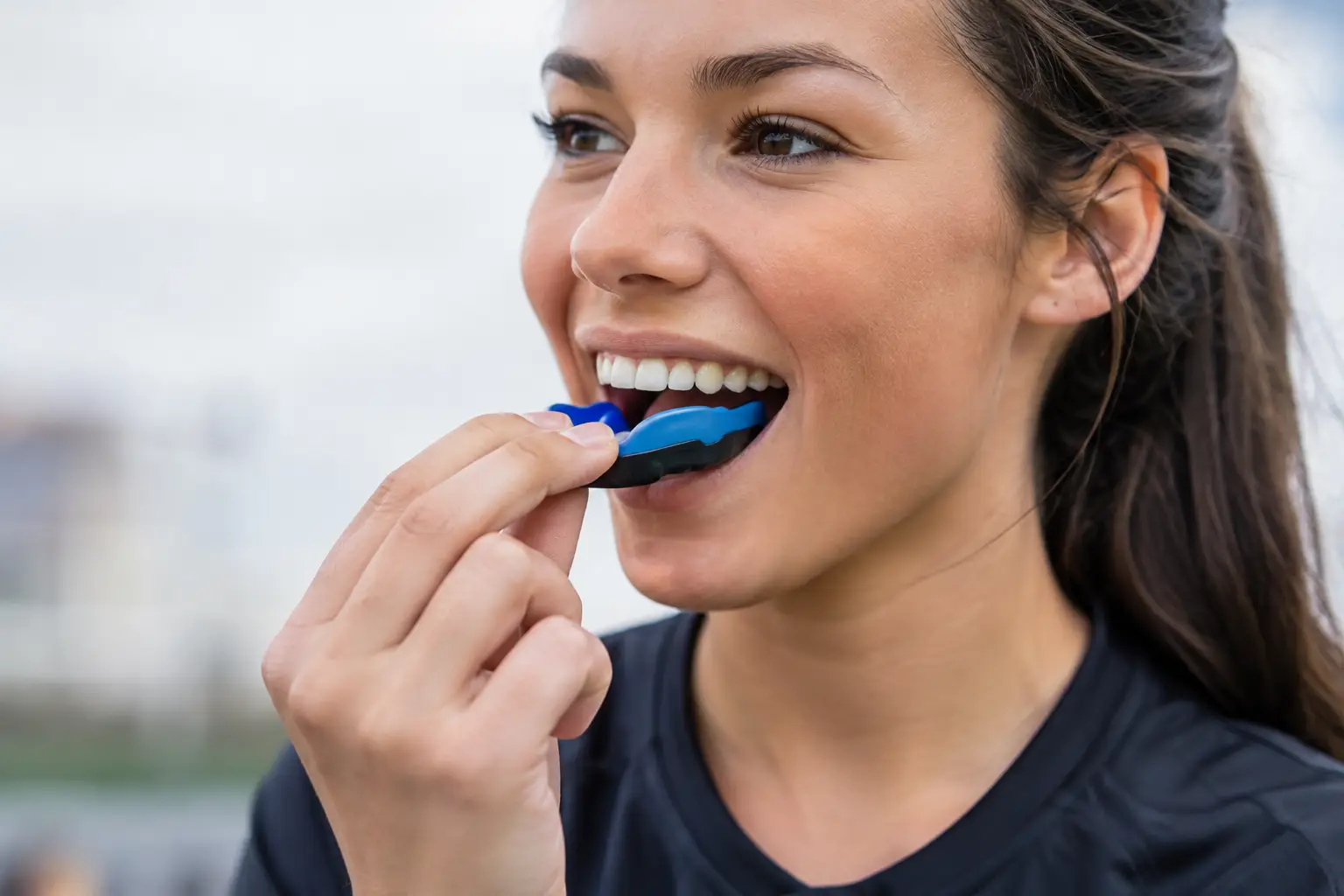

A mouthguard is easy to overlook until a ball, elbow, stick, or hard fall turns a normal game into a chipped tooth or a painful emergency. The best mouthguards for sports are not necessarily the thickest or most expensive option. They are the ones that fit securely, allow the athlete to breathe and communicate, and provide dependable cushioning when contact happens.
For parents, the right choice can also make the difference between a mouthguard that stays in a sports bag and one a child will actually wear. For adults, a well-fitting guard protects dental work such as crowns, bridges, veneers, and implants while supporting confident play. Here is how to select one that suits the sport, the athlete, and their smile.
Best mouthguards for sports begin with fit
A mouthguard protects by absorbing and spreading the force of an impact. To do that job well, it needs to cover the upper teeth comfortably and stay in place without the athlete biting down constantly. A guard that slips, feels bulky, causes gagging, or makes breathing difficult is less likely to be worn consistently.
A good fit should feel snug but not painful. The mouthguard should not press sharply into the gums, rub the cheeks, or interfere with normal speech more than necessary. Athletes should be able to breathe through their mouth and, ideally, speak clearly enough to communicate with teammates and coaches.
For most people, upper-teeth mouthguards are recommended. They protect the upper teeth and create a cushioned barrier between the upper and lower jaw. An athlete with braces, significant bite concerns, or extensive dental restorations may need more individualized guidance.
Understand the three main mouthguard types
Mouthguards generally fall into three categories. Each has a place, but the difference in fit can be significant.
Stock mouthguards
Stock mouthguards are pre-formed and ready to use. They are usually the least expensive and easiest to find, but they offer the least precise fit. Because they come in general sizes, many athletes need to hold them in place by biting, which can make breathing and talking harder.
A stock guard may be better than wearing no protection at all for an unexpected activity. Still, it is not usually the preferred long-term option for regular contact sports. Children may outgrow it quickly, and adults often find it too loose or bulky.
Boil-and-bite mouthguards
Boil-and-bite guards soften in hot water and are then shaped around the teeth. They are widely available, affordable, and can provide a better fit than stock versions when molded carefully. For families looking for a practical option for a growing child, this can be a reasonable starting point.
The trade-off is that the material can become thin in areas if it is overheated or bitten too hard during molding. A poorly molded boil-and-bite guard may still feel loose, offer uneven cushioning, or lose its shape over time. Follow the manufacturer instructions closely, and replace it if the material becomes compressed, torn, or misshapen.
Custom-made mouthguards
Custom-made mouthguards are created from an impression or digital scan of the athlete’s teeth. They are designed to match the individual smile, which generally provides the most secure fit, comfortable profile, and consistent protection. Since they stay in place without clenching, athletes often find them easier to wear during practices and games.
A custom guard is especially worth considering for athletes who play contact sports frequently, have braces or complex dental needs, or have crowns, implants, bridges, or veneers. It is also a strong choice for people who have struggled with bulky store-bought guards. The initial cost is higher, but comfort and reliable wear can make it a sensible investment in protecting teeth and dental treatment.
Match the guard to the sport and level of contact
Sports with direct contact or a meaningful risk of falls deserve consistent mouthguard use. This includes football, hockey, lacrosse, rugby, martial arts, boxing, wrestling, basketball, soccer, baseball, softball, skateboarding, mountain biking, and many other activities where a face or jaw injury can occur.
The level of play matters too. A recreational athlete may be comfortable with a properly molded boil-and-bite guard, while a competitive player with several practices and games each week may benefit from a custom fit. Contact is not always predictable. A collision during basketball, a bad bounce in baseball, or a fall from a bike can happen without warning.
Helmeted sports still require mouth protection. A helmet and face shield help reduce injury risk, but they do not replace a mouthguard. The guard protects teeth and soft tissues from direct impact and from the teeth coming together forcefully during a hit.
It is also helpful to keep expectations realistic. Mouthguards are designed to protect the teeth, lips, cheeks, and jaw structures from many sports-related injuries. They should not be viewed as a guaranteed way to prevent concussion. Head injuries require prompt assessment based on symptoms, regardless of whether a mouthguard was worn.
Special considerations for braces and dental work
Braces change the equation because brackets and wires can injure the lips and cheeks during an impact. Athletes with braces need a mouthguard that covers the brackets comfortably without catching on them. A guard made for braces may work for some patients, but a dentist can recommend the most appropriate type based on the orthodontic treatment and sport.
Because teeth move during orthodontic treatment, a mouthguard may need replacement or adjustment more often. A custom guard made early in treatment may not fit properly after several months of tooth movement. Bring the guard to regular dental or orthodontic appointments so its fit can be checked.
Patients with crowns, bridges, veneers, implants, or large fillings should not assume their dental work is protected by a generic guard. A strong impact can damage natural teeth and restorations alike. A custom-made option offers a precise fit around the existing dental work and can help reduce unnecessary pressure on it.
How to tell when a mouthguard needs replacement
Mouthguards do not last forever. Inspect the guard regularly, particularly after a hard hit or a full season of use. Replace it if you notice tears, holes, rough edges, thinning material, deep bite marks, distortion, or a loose fit.
Children and teens often need new mouthguards as they grow and their teeth change. This is especially common during mixed dentition, when baby teeth are being replaced by permanent teeth, and during orthodontic care. Even if the guard looks intact, it should be replaced if it no longer fits snugly.
A mouthguard that has been chewed extensively may be a sign that it is too bulky, uncomfortable, or being used as a stress habit rather than sports protection. A dental professional can help identify a more comfortable alternative.
Keep the mouthguard clean and ready to wear
A clean guard is more pleasant to use and easier to inspect. Rinse it with cool water before and after each use, then allow it to air-dry completely in a ventilated case. Avoid hot water except when molding a boil-and-bite guard as directed, since heat can warp the material.
Brush the mouthguard gently with a soft toothbrush and mild soap when needed. Do not use abrasive toothpaste, which can scratch the surface and create places for buildup to collect. Clean the storage case regularly as well, since a clean guard placed in a dirty case defeats the purpose.
Never leave a mouthguard loose at the bottom of a sports bag or on a dashboard in hot weather. Heat, pressure, and bacteria can all shorten its useful life. Labeling the case is a simple way to reduce lost guards, especially for younger athletes.
When to seek dental care after a sports injury
Even with a mouthguard, an impact can require a dental examination. Contact a dental office promptly for a chipped, cracked, loose, pushed-in, or knocked-out tooth; persistent tooth pain; a cut that will not stop bleeding; a change in how the teeth bite together; or jaw pain after a hit.
If a permanent tooth is knocked out, handle it only by the crown, not the root. If it is dirty, rinse it briefly with milk or saline if available, without scrubbing it. Place it back in the socket only if this can be done safely, or store it in milk and seek urgent dental care right away. Acting quickly can improve the chance of saving the tooth.
At Kingsway Family Dentistry, families can ask for guidance on mouthguard fit during routine visits, especially when a child starts a new sport or an athlete begins orthodontic treatment. A brief check can help prevent an uncomfortable guard from becoming an unused one.
The best time to choose a mouthguard is before the first practice, not after an injury. A guard that fits comfortably, is kept clean, and is replaced when needed gives athletes one less thing to worry about when the game gets physical.