
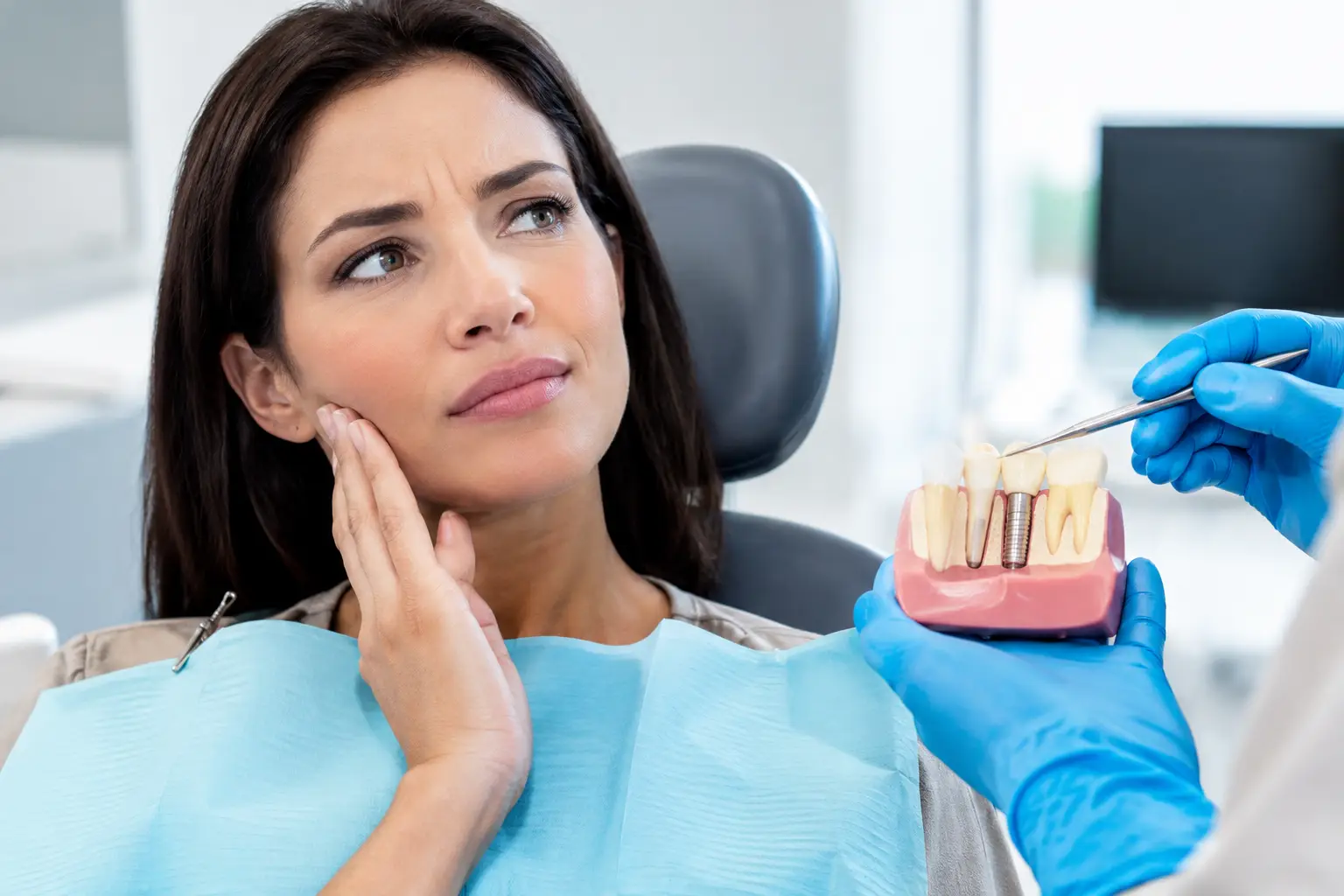

A crown is meant to make a damaged tooth feel strong and comfortable again, so new pain can be unsettling. If you are asking, “why does my crown hurt,” the answer may be as simple as a bite that needs a small adjustment, or it may point to a problem in the tooth or gums beneath the crown. The timing, type of pain, and any swelling or temperature sensitivity all help guide the next step.
A little tenderness after a new crown can be normal, particularly after the tooth has been prepared or after local anesthetic wears off. Pain that is severe, worsening, or still present after several days deserves a call to your dentist. An older crown that suddenly hurts also needs an examination rather than a wait-and-see approach.
Why Does My Crown Hurt When I Bite?
One of the most common reasons for crown pain is that the crown sits slightly high in your bite. Even a very small difference in height can put extra pressure on the crowned tooth every time you chew or bring your teeth together. You may notice that the tooth hits first, feels bruised, or hurts most with firm foods.
This is often straightforward to correct. Your dentist can check how your teeth meet using bite-marking paper and carefully adjust the crown if needed. Do not try to wear the crown down at home or ignore persistent pressure. Repeated force on one tooth can irritate the tissues around its root and make chewing increasingly uncomfortable.
Pain when biting can also happen when the tooth or the root has developed a crack. Crowns protect a tooth, but they cannot always prevent a crack from extending into the remaining tooth structure or root. Cracks can cause a sharp, brief pain when releasing a bite, especially with crunchy or sticky foods. Because cracks are not always visible at a glance, a comprehensive exam and digital X-rays may be needed.
Sensitivity to Hot, Cold, or Sweets
A newly placed crown may be mildly sensitive for a short time, particularly if the tooth still has a living nerve and required significant preparation. The surrounding gum tissue can also be tender after treatment. This sensitivity should gradually improve rather than become stronger.
If cold, heat, or sweets trigger pain that lingers, the nerve inside the tooth may be inflamed. Deep decay, a large previous filling, repeated dental work, or a crack can all irritate the pulp before or after a crown is placed. Sometimes the tooth settles; in other cases, root canal therapy is the best way to remove infection or inflammation while preserving the tooth and crown when possible.
Heat sensitivity, throbbing pain, or pain that wakes you at night should be assessed promptly. These symptoms do not automatically mean you need root canal treatment, but they should not be managed with pain medication alone.
Problems Under an Older Crown
Crowns can last many years, but neither the crown nor the tooth below it is immune to change. Decay can develop at the edge where the crown meets the natural tooth, especially if plaque accumulates around the gumline. A crown does not decay, but the supporting tooth can.
Decay beneath a crown may cause sensitivity, an unpleasant taste, darkening near the edge, or no obvious symptoms at all. If decay reaches the nerve, pain and swelling can follow. Regular exams and X-rays help identify concerns around crowns before they become painful or threaten the tooth.
A crown can also loosen, fracture, or develop a tiny gap at its margin. You might feel movement, catch floss on an edge, notice food repeatedly packing around the tooth, or sense a change in your bite. A loose crown can allow bacteria and food debris underneath, so it is best to arrange care soon even if it does not hurt yet.
Gum Irritation Can Feel Like Crown Pain
Sometimes the crown itself is not the source of discomfort. Inflamed gums around the tooth can feel sore, swollen, or tender when brushing and flossing. Plaque buildup, food trapped between teeth, a crown edge that is difficult to clean, or gum disease may all contribute.
Look closely for bleeding, puffiness, redness, or a pimple-like bump on the gum near the crowned tooth. A bump that drains fluid, a bad taste, or swelling may indicate an infection around the root. Dental infections need timely treatment because they can spread and usually will not resolve without addressing the underlying cause.
Gentle brushing twice a day and cleaning between teeth every day are still essential around crowns. Floss should slide through with a controlled motion rather than being snapped down onto the gums. If a particular area consistently bleeds or catches floss, mention it at your appointment.
When a Crown Hurts After Placement
The first few days after receiving a crown are different from pain that begins months or years later. Mild gum soreness or brief sensitivity after a new crown may be expected, especially after more involved treatment. However, pain should trend downward.
Contact your dental office if the crown feels too tall, you cannot chew comfortably after the anesthetic wears off, or sensitivity is getting worse instead of better. A quick bite adjustment can often prevent a small issue from becoming a painful one. If the discomfort follows a same-day crown appointment, the same principle applies: comfort and bite should be checked, and follow-up care is available when something does not feel right.
Avoid chewing ice, hard candies, popcorn kernels, and other very hard foods on a newly crowned tooth until it feels normal. If you clench or grind your teeth, ask whether a night guard may help protect your crown and the teeth around it. Grinding can create jaw soreness, wear, cracks, and recurring pressure on a crowned tooth.
What You Can Do Before Your Appointment
Until you are seen, choose softer foods and chew on the other side if biting causes pain. Keep the area clean with gentle brushing and flossing. A warm saltwater rinse can soothe irritated gum tissue, though it will not treat decay, a crack, or an infection.
Over-the-counter pain relief may be appropriate for some people when used exactly as directed on the package. Your dentist or pharmacist can help if you take prescription medications, have a medical condition, are pregnant, or are unsure which option is suitable. Do not place aspirin or other medication directly on the gum or tooth, as this can burn the tissue.
If a crown comes off, save it in a clean container and call your dentist. Do not use household glue to put it back in place. A dentist needs to check the tooth and crown before deciding whether it can be recemented or needs replacement.
When Crown Pain Is an Emergency
Call for urgent dental care if you have facial swelling, fever, trouble swallowing, trouble breathing, spreading swelling, or severe pain that is not controlled with standard measures. These can be signs of a significant infection and require prompt attention.
A broken tooth, a knocked-out crown, or pain after an injury should also be evaluated quickly. Early treatment may improve the chance of saving the tooth and restoring your comfort.
At Kingsway Family Dentistry, an examination can identify whether your crown needs a bite adjustment, gum treatment, repair, replacement, or care for the tooth beneath it. You do not have to guess at the cause or wait for a manageable ache to become a bigger problem. If your crown is hurting, scheduling a visit is a practical step toward eating, speaking, and smiling comfortably again.