
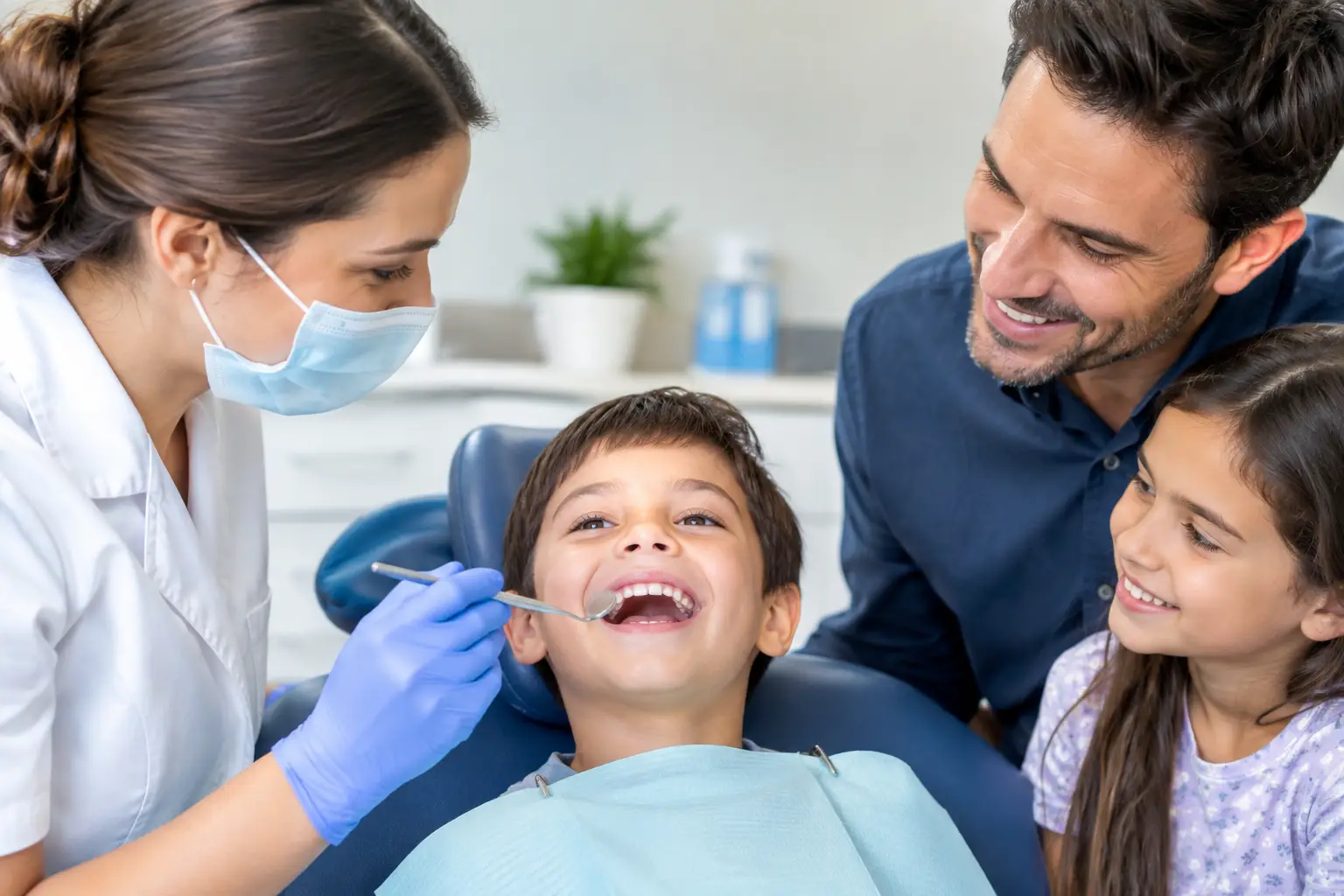

A toothache rarely begins as an emergency. More often, it starts as a small area of decay, early gum inflammation, a worn filling, or a crack that cannot be seen without a careful examination. Preventive dentistry is designed to find and manage these concerns early, before they become painful, costly, or disruptive to your family’s routine.
For children, adults, and older adults alike, regular care creates a clearer picture of oral health over time. It gives your dental team an opportunity to track changes, answer questions, reinforce healthy habits, and recommend treatment when it is still as conservative as possible.
What preventive dentistry includes
Preventive care is more than a quick cleaning. It is a combination of professional visits, diagnostic tools, and practical daily habits that work together to protect teeth and gums.
At a routine visit, your dentist and hygienist may perform a comprehensive oral examination, professional cleaning, gum health assessment, and oral cancer screening. Digital X-rays may also be recommended when they are needed to check between teeth, beneath existing restorations, or around roots and bone. Because X-rays show areas that are not visible during a visual exam, they can help identify cavities, infections, bone changes, and other concerns at an earlier stage.
Professional cleanings remove hardened plaque, called tartar or calculus, that brushing and flossing cannot remove at home. This matters because plaque bacteria can contribute to tooth decay and gum disease. A cleaning also gives your hygienist a chance to discuss areas that may need more attention, such as the back molars, the gumline, or spaces around bridges, implants, or orthodontic appliances.
Preventive visits are personalized. Someone with healthy gums and a low risk of cavities may need a different schedule than a patient with a history of frequent decay, gum disease, dry mouth, diabetes, or extensive dental work. Your dentist can recommend an interval that fits your individual needs rather than relying on a one-size-fits-all approach.
Why preventive dentistry matters at every age
Dental needs change, but prevention remains useful throughout life. Young children benefit from early visits that make the dental office familiar and comfortable. These appointments allow parents to ask about brushing, fluoride, tooth eruption, thumb-sucking, snacks, and injury prevention. Finding a cavity in a baby tooth early can also help protect comfort, chewing, speech development, and the space needed for permanent teeth.
For busy adults, preventive appointments often prevent a small issue from becoming an urgent interruption. A cavity may be repaired with a filling before it reaches the nerve of the tooth. A small fracture may be protected before it causes a larger break. Gum inflammation may improve with professional cleaning and better home care before it develops into more serious periodontal disease.
Older adults may need closer monitoring of crowns, bridges, dentures, implants, and natural teeth that have served them for decades. Changes in medications can cause dry mouth, increasing the risk of decay. Receding gums can expose root surfaces, which are more vulnerable to cavities. Regular examinations help identify these changes early and keep restorative work functioning as well as possible.
The connection between gum health and your smile
Gums should not bleed regularly when you brush or floss. Bleeding, tenderness, swelling, persistent bad breath, and gum recession can all be signs that deserve attention. Early gum disease, often called gingivitis, can frequently be improved with consistent daily cleaning and professional care. More advanced gum disease can affect the bone that supports the teeth and may lead to loosening or tooth loss if left untreated.
The right treatment depends on what is happening below the gumline. Some patients simply need improved home care and routine hygiene visits. Others may need more focused periodontal treatment. The value of preventive appointments is that your dental team can measure gum health over time and explain what the findings mean in clear, manageable terms.
Everyday habits that make professional care work better
A dental visit cannot replace daily home care, and home care cannot replace professional examinations. Both matter. Brushing twice a day with fluoride toothpaste helps remove plaque and strengthen enamel. Cleaning between teeth once a day with floss, interdental brushes, or another dentist-recommended tool helps reach the areas a toothbrush misses.
Food and drink choices also affect cavity risk. Frequent sipping of sweetened drinks, sports drinks, juice, or acidic beverages exposes teeth to repeated acid attacks. The concern is often frequency rather than one occasional treat. Water between meals is a tooth-friendly choice, and having sugary foods or drinks with a meal is generally easier on teeth than grazing throughout the day.
If you wear a nightguard, clear aligners, retainers, dentures, or a removable appliance, clean it as directed and bring it to your appointments when requested. A damaged or poorly fitting appliance can affect comfort and oral health. Let your dental team know if anything has changed, even if it does not hurt yet.
When prevention means acting sooner
Prevention is not limited to routine checkups. It also means responding promptly when you notice a change. Sensitivity to hot, cold, or sweets; pain when chewing; a chipped tooth; a loose crown; bleeding gums; or a sore that does not heal should not be ignored. These symptoms do not always indicate a serious problem, but they are worth assessing before they worsen.
Some issues need treatment even when there is no pain. Cavities can grow quietly, and cracks may deepen with everyday chewing. A dentist may recommend a filling, crown, root canal treatment, or another option to preserve a tooth and restore function. The best choice depends on the extent of damage, the health of the tooth, your bite, and your goals. Clear treatment planning helps you understand why a recommendation is being made and what alternatives may be available.
Building a routine your family can keep
The most effective preventive plan is one that fits real life. If mornings are hectic, brushing before bed may be the habit that needs the most attention. If a child resists flossing, your dental team can suggest age-appropriate tools and techniques. If dental anxiety has delayed care, starting with a consultation or hygiene appointment can make the process feel more manageable.
For families in Beamsville and nearby communities, Kingsway Family Dentistry provides preventive care alongside pediatric, restorative, cosmetic, orthodontic, and emergency services. That continuity can be especially helpful when a routine visit identifies a need for follow-up treatment. You can receive an explanation of the concern, a plan for the next step, and care that considers your comfort and schedule.
A healthier smile starts before something hurts
Preventive care does not promise that every cavity, crack, or dental emergency can be avoided. Genetics, medications, injuries, medical conditions, and everyday wear can all affect oral health. What regular care can do is reduce avoidable risk and give you more options when a problem appears.
If it has been a while since your last examination or cleaning, scheduling a visit is a practical place to begin. A comfortable appointment, a thorough assessment, and a few sustainable habits can help protect your smile long before discomfort forces the issue.