
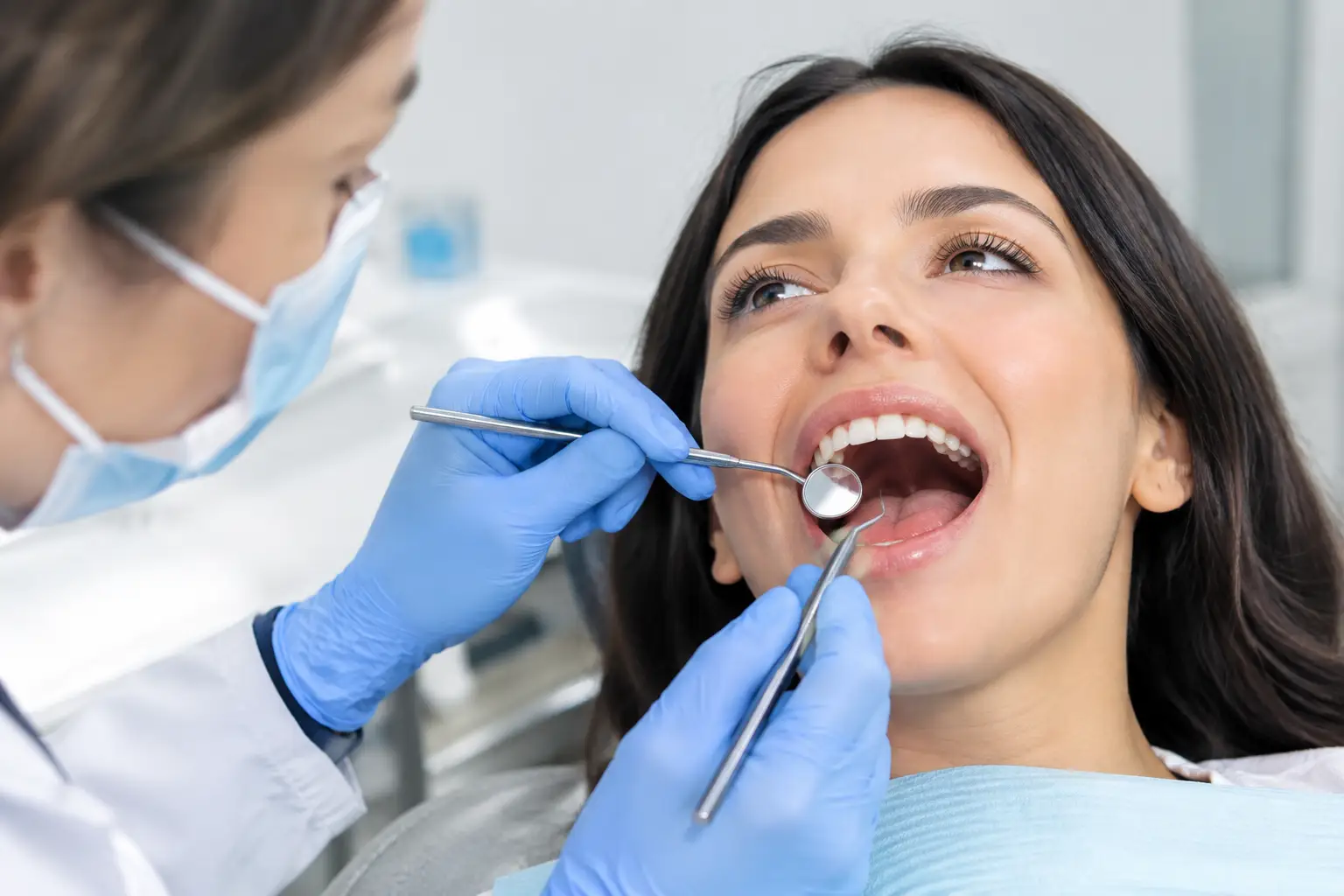

A routine dental visit is about more than clean teeth and healthy gums. An oral cancer screening gives your dental team an opportunity to look for unusual changes in the mouth, throat, and nearby tissues that may need closer attention. The exam is quick, comfortable, and included as part of a thorough approach to protecting your long-term oral health.
Finding a concern early does not mean assuming the worst. Most mouth sores, patches, and lumps have non-cancerous explanations. Still, changes that do not heal or go away deserve a professional assessment. Early evaluation can lead to faster answers and, when treatment is needed, better outcomes.
What happens during an oral cancer screening?
Your dentist begins with a visual examination of the areas you can see at home but may not inspect closely: the lips, cheeks, gums, tongue, roof of the mouth, and floor of the mouth. They also look toward the back of the mouth and throat for changes in color, texture, or shape.
The examination may include gently feeling the jaw, neck, cheeks, and tissues beneath the tongue. This helps identify swelling, tenderness, or lumps that may not be visible. Your dentist may ask you to move your tongue in different directions or open wide so they can see all areas clearly.
The process usually takes only a few minutes and should not hurt. If you have a sore spot, loose tooth, ongoing hoarseness, or another concern, mention it before the exam begins. A specific symptom gives your dental team useful context and helps them focus on the right area.
Why regular oral cancer screening matters
Oral cancer can develop in areas that are easy to overlook, including the sides and underside of the tongue, the back of the throat, and the floor of the mouth. In its early stages, it may not cause pain. That is one reason regular comprehensive exams matter even when your teeth feel fine.
A screening is not a diagnosis, and it cannot identify every condition. It is an assessment designed to spot changes that may require monitoring, additional testing, or referral to a medical or dental specialist. Digital imaging may be useful for certain dental and bone concerns, but not every soft-tissue change is visible on an X-ray. Your dentist will recommend the next step based on what they see and your health history.
For many patients, the value is simple: routine visits create a record of what is normal for your mouth. When something changes, it is easier for a dental professional who knows your baseline to recognize it.
Changes worth bringing up between visits
Do not wait for your next cleaning if you notice a change that lasts longer than two weeks. Contact a dentist or healthcare provider for guidance, particularly if you have a sore that does not heal, a red or white patch, unexplained bleeding, a lump or thickened area, or numbness in the mouth or lip.
Other symptoms can include difficulty chewing or swallowing, a persistent sore throat, ongoing hoarseness, pain in one ear without an obvious ear problem, or dentures that suddenly fit differently. These symptoms can be caused by many conditions, including irritation, infection, injury, or dental issues. The point is not to self-diagnose. It is to have a persistent concern checked promptly.
A sore caused by biting your cheek or rubbing from a sharp tooth may improve once the irritation is removed. A canker sore often heals on its own. But if a spot lingers, keeps returning in the same place, or changes in size or appearance, an examination is the sensible next step.
Who should have an oral cancer screening?
Every adult should receive an oral cancer screening during regular dental examinations. Younger adults can benefit as well, since oral health changes are not limited to one age group. The screening is especially valuable for people with known risk factors, including tobacco use, frequent or heavy alcohol use, significant sun exposure to the lips, a history of certain HPV infections, or a previous oral cancer diagnosis.
Risk factors help guide conversation, but they do not tell the whole story. People without obvious risk factors can develop oral cancer, and people with risk factors may never develop it. A screening should be treated as routine preventive care, not as something reserved only for patients who are worried.
For families, regular appointments also create a good habit: speak up when something feels different. Parents can encourage older children and teens to mention sores, mouth pain, or changes that have not improved. While oral cancer is less common in younger people, getting comfortable with preventive exams supports lifelong oral health awareness.
What happens if your dentist finds something unusual?
The next step depends on the finding. Your dentist may determine that a rough edge, appliance, bite issue, or irritation is likely causing the problem and recommend treatment to remove that source. They may ask you to return after a short period so the area can be checked again.
If an area appears more concerning or does not heal as expected, your dentist may refer you to an oral surgeon, physician, ear, nose, and throat specialist, or another appropriate provider. Further evaluation can include a more detailed examination, imaging, or a biopsy. A biopsy is the only way to confirm whether suspicious cells are cancerous.
Waiting for answers can feel stressful, but a referral is not a diagnosis. It is a careful, appropriate step to make sure a change receives the attention it deserves. Clear communication about what was found, why follow-up is recommended, and when to seek care sooner can make the process more manageable.
Simple habits that support oral health
Regular dental examinations and hygiene visits are a strong starting point. At home, take a moment when brushing or flossing to notice persistent sores, patches, swelling, or changes in how your mouth feels. Avoid tobacco products, limit alcohol use, and use lip protection when spending extended time in the sun.
Good nutrition, daily brushing with fluoride toothpaste, and cleaning between teeth support gum and tooth health, although they do not replace a professional examination. If you wear dentures, partials, or another oral appliance, have persistent rubbing or a fit change assessed rather than trying to adjust it yourself.
Make preventive care part of your routine
At Kingsway Family Dentistry, comprehensive exams are designed to look beyond the immediate reason for your visit. Whether you are coming in for a cleaning, dealing with a broken tooth, or bringing a child for a checkup, your comfort and questions are part of the conversation.
If you have noticed a mouth change that has lasted more than two weeks, call to arrange an appointment rather than waiting for it to resolve on its own. A brief professional examination can provide reassurance, identify a source of irritation, or help you move forward with the right follow-up care.