
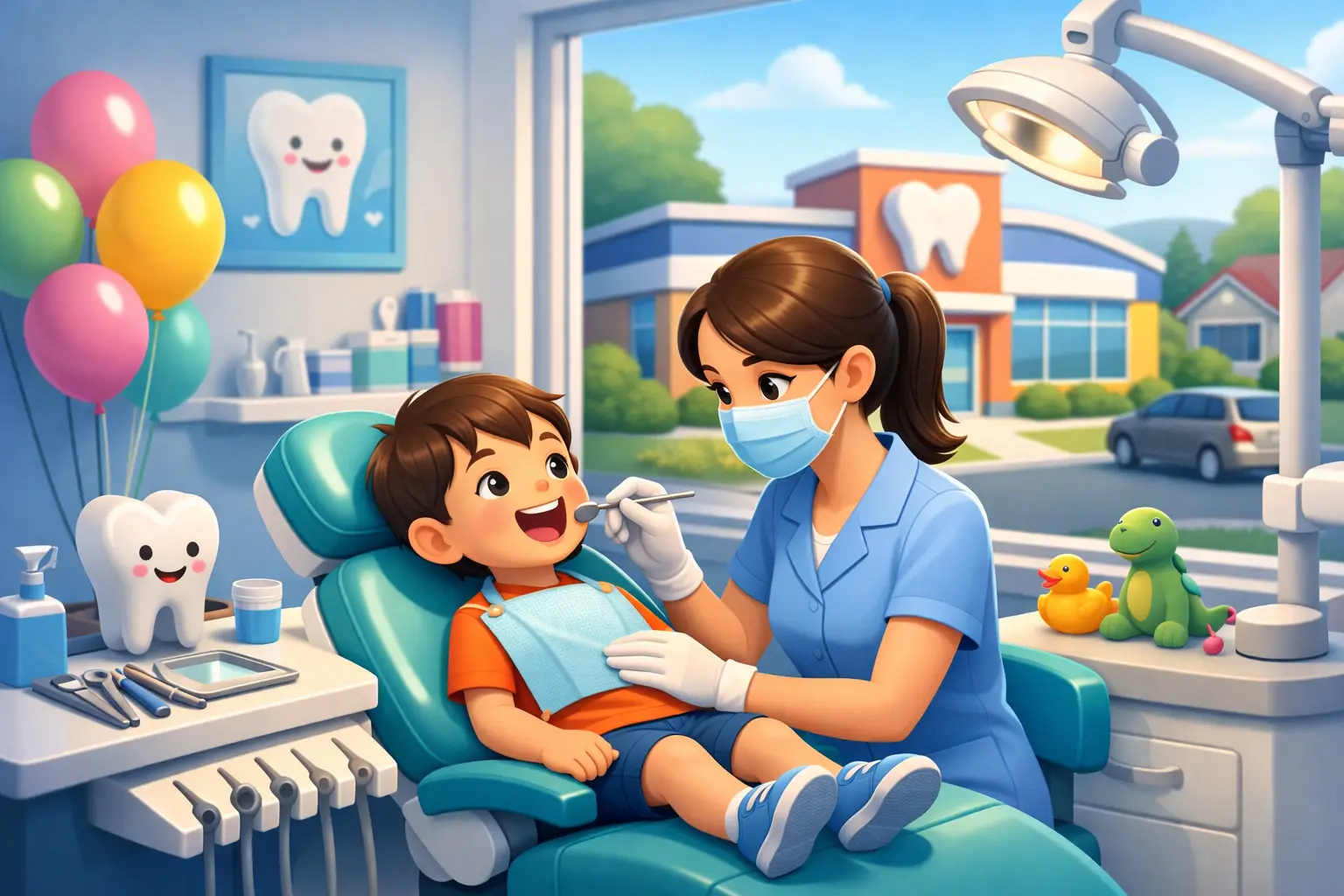

A child’s early dental visits can shape how they feel about oral health for years. The right pediatric dentist Beamsville families choose should make appointments feel calm, understandable, and suited to a child’s age – not rushed, frightening, or overly clinical. When children feel safe in the dental chair, parents have a much easier time building the routines that protect growing smiles.
For many families, pediatric dental care is less about responding to a problem and more about preventing one. Regular visits give the dental team a chance to monitor development, identify concerns early, and help children learn that caring for their teeth is a normal part of growing up.
What to Look for in a Pediatric Dentist in Beamsville
A positive experience starts with a team that communicates clearly with both the child and the parent. Young children do not need a complicated explanation of every procedure, but they do deserve to know what will happen next in words they can understand. A gentle introduction to the chair, dental mirror, toothbrush polishing, or digital X-rays can make an unfamiliar setting feel manageable.
Parents should also look for a practice that takes prevention seriously. A pediatric visit may include an oral examination, professional cleaning when appropriate, digital imaging when clinically needed, and guidance on brushing, flossing, fluoride, nutrition, and cavity prevention. The goal is to spot changes while they are small, before discomfort or more extensive treatment becomes necessary.
Convenience matters, too. Busy families often need appointments that work around school, work, sports, and sibling schedules. A full-service family practice can be especially helpful because parents and children may be able to receive care in one familiar location. As children grow, that continuity can make transitions to orthodontic, restorative, or emergency care feel much less stressful.
When Should Your Child First Visit the Dentist?
A child’s first dental visit is generally recommended by their first birthday or within six months of the first tooth coming in. That timing may seem early, especially if only one or two teeth are visible, but early appointments are primarily educational and preventive. They allow the dentist to review healthy development and give parents practical advice before habits become harder to change.
At an early visit, parents can expect a gentle examination of the gums, teeth, bite, and oral tissues. The dental team may discuss how to clean baby teeth, ways to prevent early childhood cavities, and how prolonged exposure to sugary drinks can affect enamel. They can also answer common questions about pacifiers, thumb sucking, teething, and when to begin using fluoride toothpaste.
Not every child reacts the same way to a first visit. Some are curious and ready to participate. Others want to stay close to a parent or may cry in an unfamiliar room. Both responses are normal. A patient-focused dental team will adjust the pace, use positive language, and focus on helping the child leave with a successful first impression.
Pediatric Dental Care Changes as Children Grow
Children’s dental needs shift quickly, from the first baby tooth through the teen years. Regular checkups let a dentist follow those changes instead of waiting until there is visible damage or pain.
Babies and toddlers
The focus is on prevention, oral hygiene instruction, and checking that teeth are erupting normally. This is also the time to discuss feeding habits, bedtime bottles, and the importance of cleaning teeth as soon as they appear. Baby teeth may be temporary, but they support chewing, speech development, and space for permanent teeth.
School-age children
As children become more independent, brushing quality, cavity risk, and routine become larger concerns. A dentist can monitor the transition from baby teeth to adult teeth, assess the bite, and recommend preventive services based on a child’s individual risk. Some children are more prone to cavities because of frequent snacking, difficulty brushing thoroughly, enamel concerns, or orthodontic appliances.
Teens
Teenagers may need support with wisdom teeth, sports-related dental protection, orthodontic treatment, or cosmetic concerns. They also tend to have more control over snacks, drinks, and daily brushing habits. Clear, respectful conversations can help them understand why consistent care matters without making the visit feel like a lecture.
Helping Children Feel Comfortable at Dental Visits
Dental anxiety can begin early, sometimes because a child is naturally cautious and sometimes because they have already experienced pain. The best approach is usually gradual and reassuring. Avoid using scary words at home or presenting the appointment as something a child must endure. Instead, describe it simply: the dentist will count their teeth, look at their smile, and help keep it healthy.
It also helps to schedule visits before a problem becomes urgent. A child who first meets the dental team while comfortable is more likely to build trust than a child whose first appointment happens during a painful toothache. Preventive appointments give children time to become familiar with the setting, sounds, and people involved in their care.
For children who remain very anxious or need more involved treatment, ask about comfort options. Nitrous oxide sedation may be appropriate in certain situations, depending on the child’s health history, age, treatment needs, and ability to cooperate. The dental team should explain what is recommended, why it may help, and what parents can expect before, during, and after the visit.
When a Family Dentist May Be the Right Fit
Many children receive excellent pediatric care from a general family dental practice with experience treating young patients. This can be a practical choice for families who value continuity, flexible scheduling, and one trusted team for routine care through adulthood. At Kingsway Family Dentistry, pediatric care is part of a broader approach that supports children, parents, and grandparents with preventive, restorative, orthodontic, and urgent dental needs.
There are times, however, when a referral to a pediatric dental specialist may be recommended. Children with complex medical needs, significant developmental or behavioral challenges, severe dental anxiety, extensive decay, or specialized treatment needs may benefit from a provider whose practice is limited to pediatric dentistry. A dependable family dentist will recognize when specialist support is in a child’s best interest and help parents understand the next step.
Do Not Wait for Pain to Call
Children do not always describe dental discomfort clearly. They may avoid chewing on one side, become upset while eating, complain that a tooth feels “funny,” or wake during the night. Swelling, a loose or chipped tooth after a fall, bleeding that does not stop, or a toothache all deserve prompt attention.
If a permanent tooth is knocked out, time is especially important. Handle the tooth by the crown rather than the root, gently rinse it if it is dirty, and seek emergency dental care right away. For a baby tooth, do not try to place it back in the socket. Calling the dental office quickly can help parents receive the right guidance for the situation.
Build Healthy Habits Between Appointments
Dental visits are only one part of a child’s oral health. At home, parents can make the biggest difference through daily habits that are simple enough to repeat consistently. Young children need help brushing until they have the coordination to do a thorough job on their own, which is often later than parents expect. Brushing twice a day with a small amount of fluoride toothpaste, flossing teeth that touch, and choosing water between meals all support healthier smiles.
Food choices matter, but perfection is not the goal. Frequent exposure to sugar is often more harmful than enjoying an occasional treat with a meal. Sticky snacks, sweetened drinks, and repeated sipping throughout the day can give cavity-causing bacteria more opportunities to affect enamel. A practical routine is more valuable than a restrictive one that is impossible for a busy family to maintain.
A dental home gives children more than clean teeth. It gives them a familiar place to ask questions, receive care early, and learn that protecting their smile is something they can do with confidence. If your child is due for a checkup, a calm first visit can be a positive step that lasts well beyond childhood.
Book your next appointment today at Kingsway Family Dentistry – dentist in Beamsville. Call (905) 563-4001 to schedule a check-up and take a step towards better health.
24*7 Online Dental appointment available now. Schedule your online booking.