
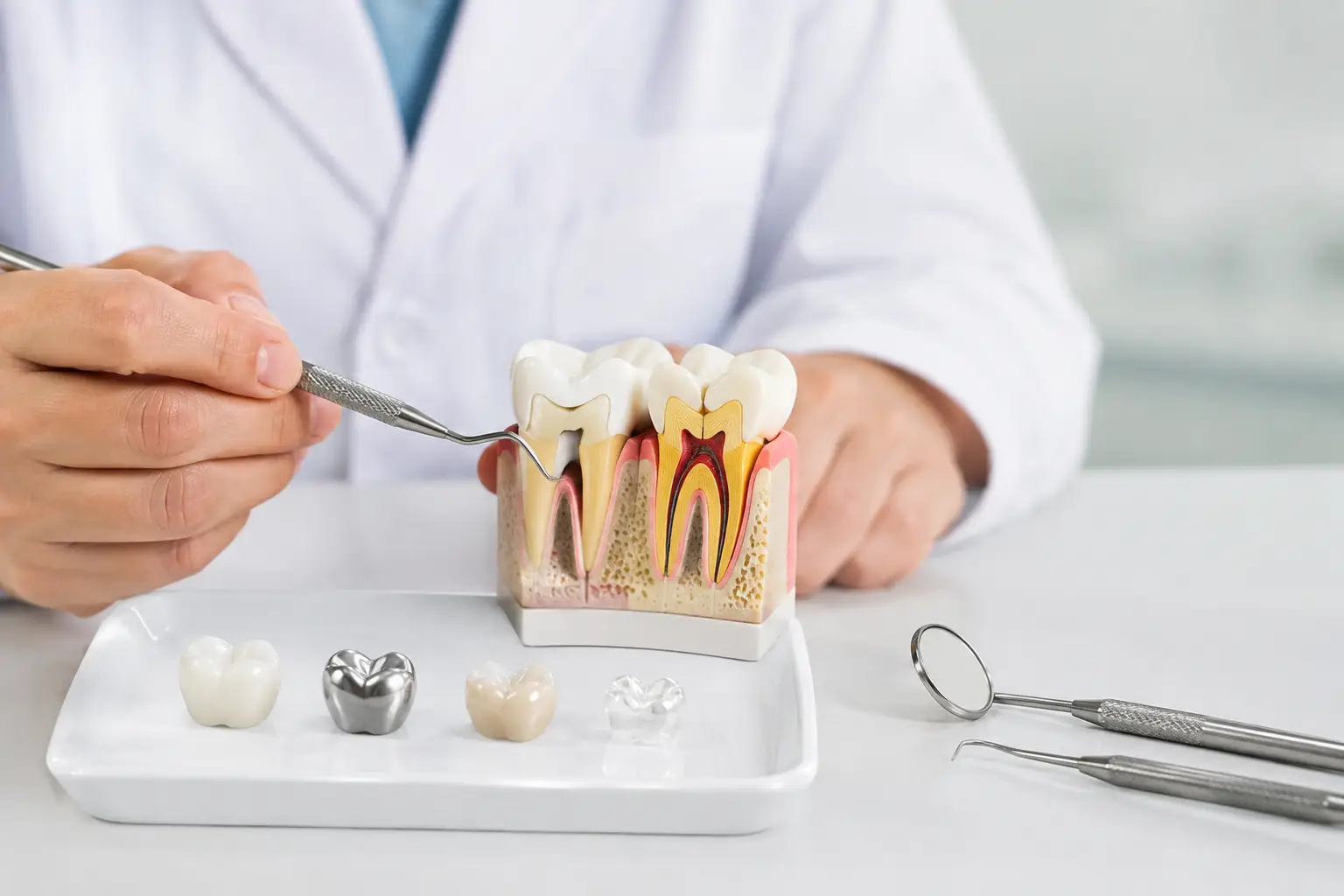

A chipped tooth at the front of your smile and a deep cavity in a back molar do not ask for the same solution. A thoughtful filling material comparison looks beyond the question of “what lasts longest?” to consider where the tooth is located, how much healthy tooth remains, your bite, your priorities, and the size of the repair.
At a comprehensive dental visit, your dentist examines the tooth, reviews digital X-rays when needed, and explains the options in plain language. The goal is not simply to place a filling. It is to remove decay or repair damage while helping the tooth stay comfortable, functional, and healthy for years to come.
Why the filling material matters
A dental filling replaces the portion of a tooth that has been lost to decay, a small fracture, or wear. Every filling material has strengths and limitations. Some blend beautifully with natural enamel. Others handle heavy chewing forces well. Certain materials are especially useful for children, temporary repairs, or areas near the gumline.
The right choice also depends on the size of the problem. A small-to-medium cavity can often be restored with a direct filling in one appointment. When decay or a fracture has weakened a large portion of the tooth, a filling may no longer provide enough protection. In that situation, an onlay or crown may better support the tooth and reduce the risk of a more serious break. Same-day crown technology can make that next step more convenient for many patients.
Filling material comparison: the main options
Composite resin
Composite resin is a tooth-colored material that is placed in layers, shaped directly on the tooth, and hardened with a curing light. It is one of the most common choices for visible teeth because the shade can be matched closely to surrounding enamel.
Composite is also a conservative option. It bonds to the tooth, which can allow your dentist to preserve more healthy structure than some traditional approaches. It works well for many front-tooth chips, small and moderate cavities, and repairs where appearance matters.
Its trade-off is that composite can stain or wear over time, especially in people who drink a great deal of coffee, tea, or red wine, use tobacco, or clench and grind their teeth. Large composite fillings in hard-working molars may need replacement sooner than a more protective restoration. Good home care and regular examinations help your dental team monitor the edges of the filling for wear or recurrent decay.
Amalgam
Dental amalgam is a silver-colored filling material that has been used for many decades, particularly in back teeth. It is known for strength, durability, and its ability to tolerate moisture during placement better than some alternatives.
The main drawback is appearance. Amalgam does not match tooth color, and it can make a tooth look darker over time. It also does not bond to enamel in the way composite does, so placement may require removing a little more tooth structure to create a stable shape for the filling.
Amalgam remains an appropriate option in selected clinical situations, but it is not the preferred choice for everyone. Your dentist will consider your health history, the location and size of the cavity, and current guidance when discussing whether it is suitable. If you already have a sound amalgam filling with no decay, cracks, or symptoms, replacement is not automatically necessary simply because of its color.
Glass ionomer
Glass ionomer is a tooth-colored material that releases fluoride over time. This can be helpful for patients with a higher risk of cavities and for restorations near the gumline or on root surfaces, where keeping an area dry can be difficult.
Dentists may also use glass ionomer for some pediatric fillings, temporary restorations, or as part of a layered repair. It can bond chemically to tooth structure and offers useful protection in the right setting.
However, glass ionomer is generally less wear-resistant than composite or amalgam. It is usually not the first choice for a large filling on a molar that absorbs strong chewing pressure. Think of it as a valuable material with specific clinical uses rather than a one-size-fits-all answer.
Ceramic and gold restorations
Ceramic and gold are usually made outside the mouth, then bonded or cemented to the tooth. These restorations may be called inlays or onlays when they replace part of the chewing surface without covering the entire tooth.
Ceramic can provide a highly natural appearance and strong resistance to staining. It is often considered when a cavity or old filling is too large for a direct composite but the tooth does not need a full crown. With modern digital scanning and same-day technology, some ceramic restorations can be planned and completed efficiently.
Gold is durable, gentle on opposing teeth, and can last for many years. Its appearance and cost make it less common today, but it remains a dependable option for patients who value its performance. Both ceramic and gold generally require more than one step of planning and are typically more expensive than a direct filling.
What determines the best choice for you?
The material is only one part of the decision. Your dentist will first assess whether the tooth is healthy enough for a filling. If decay has reached the nerve, if the tooth has a major crack, or if too little structure remains, another treatment may be needed to relieve pain and preserve the tooth.
For a straightforward repair, several practical details guide the recommendation. The tooth’s location matters because molars face greater chewing forces than front teeth. The size and depth of the cavity matter because larger restorations place more stress on the remaining tooth. Your bite matters, particularly if you clench or grind. A filling that performs well for one person may chip or wear faster for another.
Appearance, cost, insurance coverage, and the ability to keep the tooth dry during treatment also deserve an open conversation. A good treatment plan makes room for your priorities while staying grounded in what will serve the tooth best clinically.
How long should a filling last?
There is no single expiration date for a filling. Some need replacement after several years, while others remain functional much longer. Material type influences longevity, but daily habits are equally significant.
A filling can fail when decay develops around its edge, when the material fractures, or when the tooth itself cracks. Brushing twice daily with fluoride toothpaste, cleaning between teeth, limiting frequent sugary snacks and drinks, and attending regular hygiene visits all help protect both the filling and the tooth around it. A nightguard may be recommended when grinding puts excessive pressure on teeth and restorations.
Call your dental office if you notice lingering sensitivity, pain when biting, a rough or sharp edge, a lost filling, or food consistently catching in one area. Early assessment is often simpler and more comfortable than waiting until a small issue becomes an urgent problem.
A clear plan starts with an examination
It is understandable to want the strongest, most natural-looking, or most affordable option. Often, one material checks several of those boxes. Sometimes there is a genuine trade-off, and your dentist should explain it without pressure.
For families in Beamsville and nearby communities, Kingsway Family Dentistry can evaluate the tooth, review your images, and recommend a restoration that fits your oral health needs and daily life. The most helpful next step is a comprehensive examination: it turns a general filling question into a clear, personal plan for protecting your smile.