
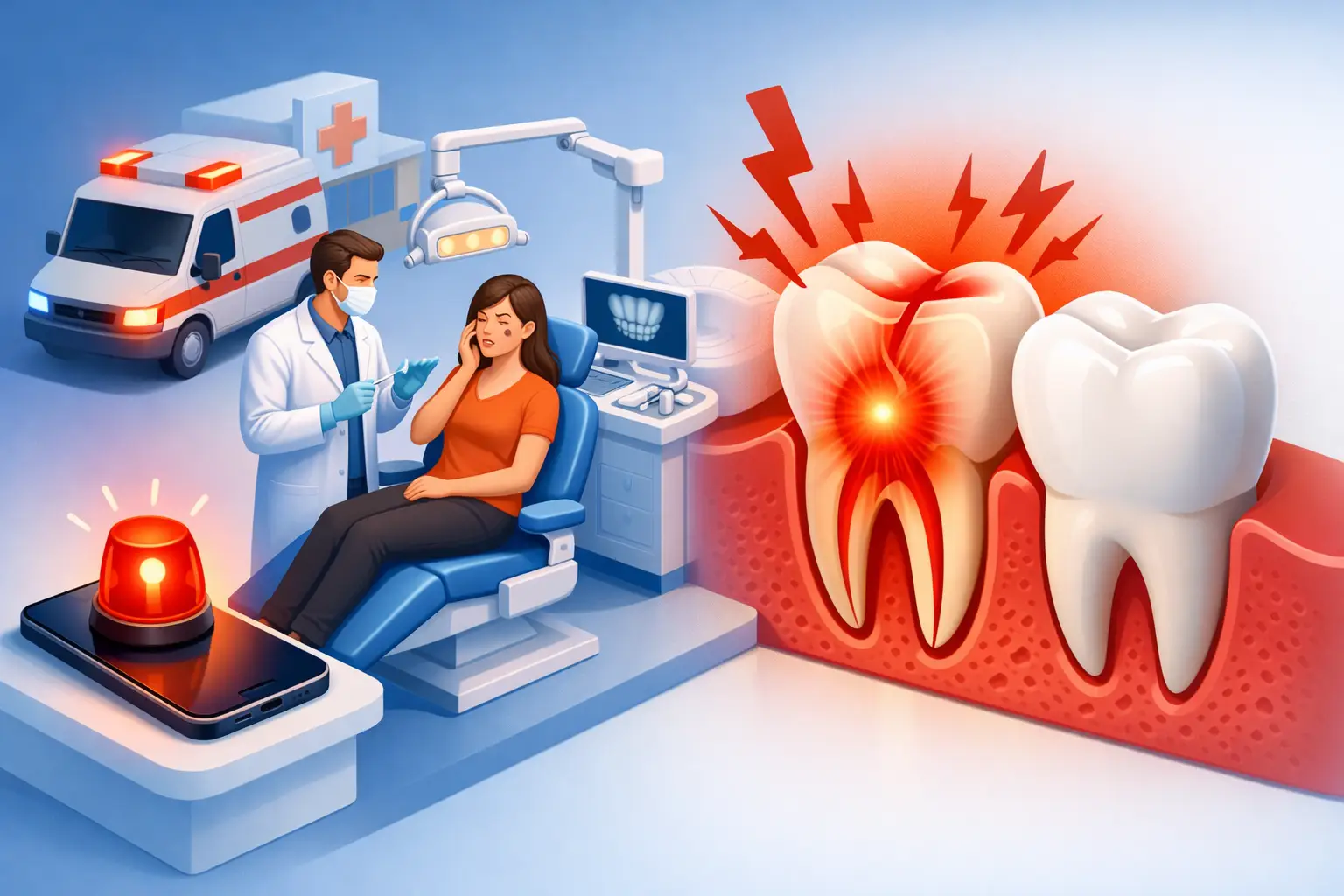

A toothache that keeps you awake, a crown that breaks before a workday, or a child who falls and chips a front tooth can turn an ordinary day into a stressful one. An emergency dentist can identify the source of the problem, relieve discomfort, and help protect your tooth from further damage. The key is knowing which symptoms need prompt care and what you can safely do while arranging your visit.
Dental emergencies are not always dramatic, but they should not be ignored. Pain, swelling, trauma, and a damaged restoration can worsen quickly when bacteria, pressure, or infection are involved. Prompt treatment often means more options for saving a natural tooth and restoring normal chewing comfortably.
When Should You Call an Emergency Dentist?
Call a dental office promptly if you have severe or persistent tooth pain, facial or gum swelling, bleeding that does not stop, a knocked-out tooth, or a broken tooth with sharp edges or exposed inner tissue. You should also call if a crown, bridge, filling, denture, or other restoration breaks and affects your ability to eat, speak, or stay comfortable.
Some issues may be uncomfortable without requiring immediate same-day treatment. For example, a slightly loose filling without pain may be able to wait for the next available appointment. A lost crown, however, deserves a call even if it is not painful. The tooth underneath is more vulnerable to sensitivity, fracture, and decay once the crown is gone.
It depends on the symptom, your level of pain, and whether swelling or injury is involved. When you are unsure, it is better to call and describe what you are experiencing. A dental team can help you determine the appropriate next step.
Severe Toothache or Pressure
A strong, throbbing toothache can be caused by deep decay, a cracked tooth, inflamed nerve tissue, gum infection, or an abscess. Pain that lingers after hot or cold foods, hurts when you bite, or wakes you from sleep should be assessed promptly.
Treatment may involve removing decay and placing a filling, adjusting a bite, repairing a crack, or recommending root canal therapy to preserve the tooth. The right approach depends on a comprehensive examination and digital X-rays, which help show what is happening below the gumline and inside the tooth.
Do not place aspirin directly on a sore tooth or gum. It can irritate the tissue and does not treat the cause of the pain. If you can safely take over-the-counter pain medication, follow the package directions and consult a health professional if you have questions about medications or medical conditions.
Swelling, Infection, or a Dental Abscess
Swelling around a tooth, gum, jaw, or face can signal an infection. You may also notice a pimple-like bump on the gums, a bad taste, fever, tender lymph nodes, or pain when biting. An abscess needs professional evaluation because dental infections can spread beyond the mouth.
Contact a dentist as soon as possible if you have swelling or signs of infection. If swelling is affecting your breathing or swallowing, is spreading toward the eye or neck, or is accompanied by significant fever or severe illness, seek emergency medical care immediately.
Antibiotics may be appropriate in certain situations, but they do not replace dental treatment. The source of the infection usually needs to be addressed through treatment such as drainage, root canal therapy, or extraction, depending on the condition of the tooth.
A Knocked-Out or Dislodged Tooth
A knocked-out permanent tooth is one of the most time-sensitive dental emergencies. Handle it only by the crown, which is the part normally visible in the mouth. Avoid touching the root. If it is dirty, gently rinse it with milk or clean water without scrubbing it.
If possible, carefully place the tooth back into its socket and have the person bite gently on clean gauze. If that is not possible, keep it moist in milk or in the person’s saliva in a clean container. Do not store it in plain water. Call an emergency dentist right away, as faster treatment can improve the chance of saving the tooth.
Baby teeth require different handling. Do not try to put a knocked-out baby tooth back into the socket, as this may harm the developing permanent tooth. Call the dental office for guidance and have your child evaluated.
A Chipped, Cracked, or Broken Tooth
A small chip may be mostly cosmetic, but a larger fracture can expose the sensitive inner layers of the tooth. A crack may cause sharp pain when chewing or sensitivity that comes and goes. Even when discomfort is mild, a crack can deepen over time.
Rinse your mouth gently with warm water and save any broken pieces if you can find them. Cover a sharp edge with dental wax or sugar-free gum temporarily if it is rubbing against your tongue or cheek. Avoid chewing on that side until you are seen.
Repair may include bonding, a filling, a crown, or root canal therapy when the nerve is affected. Modern options, including same-day crown technology when appropriate, can make restoring a damaged tooth more convenient for busy patients and families.
What to Do Before Your Emergency Dental Visit
A few simple steps can make the time before your appointment more manageable. Rinse gently with warm salt water if your mouth is sore or if food is trapped around a tooth. Use a cold compress on the outside of the cheek for swelling or injury, applying it for short intervals with a cloth between the cold pack and your skin.
If bleeding follows an injury or extraction, apply gentle, steady pressure with clean gauze. Keep your head elevated and avoid vigorous rinsing, spitting, smoking, or drinking through a straw, particularly after an extraction. These actions can disturb the protective blood clot and delay healing.
Bring any broken dental appliance or tooth fragment with you. If you have recently started a new medication, have allergies, are pregnant, or take blood thinners, let the dental team know. These details help guide safe treatment planning.
Why Prompt Dental Care Matters
Waiting can turn a treatable problem into a more complex one. A small crack can become a fracture. Decay under a lost filling can advance. An infection can cause increasing pain and swelling. Early care is not just about immediate relief – it is often about preserving more of your natural tooth and avoiding a larger procedure later.
An emergency appointment also gives you a clear plan. Your dentist can explain what is causing the problem, what treatment is recommended, what alternatives may be available, and what to expect during recovery. For patients who feel anxious about dental treatment, comfort measures such as nitrous oxide sedation may help make necessary care feel more manageable.
Emergency Dental Care for the Whole Family
Dental emergencies look different at every age. Children may have sports injuries, chipped teeth, or a painful first cavity. Adults may experience broken fillings, cracked teeth, or wisdom tooth discomfort. Older adults may need quick help with a loose denture, damaged bridge, or painful tooth beneath a crown.
A family dental practice can provide continuity when these moments arise. Your records, X-rays, medical history, and previous treatment are already part of the conversation, allowing the team to focus on the immediate concern while considering your long-term oral health.
At Kingsway Family Dentistry, patients in Beamsville and nearby communities can call when an unexpected dental problem arises. New patients are welcome as well. If pain, swelling, injury, or a damaged tooth is disrupting your day, reach out promptly so you can get clear guidance and the care you need to feel comfortable again.
Book your next appointment today at Kingsway Family Dentistry – dentist in Beamsville. Call (905) 563-4001 to schedule a check-up and take a step towards better health.
24*7 Online Dental appointment available now. Schedule your online booking.