
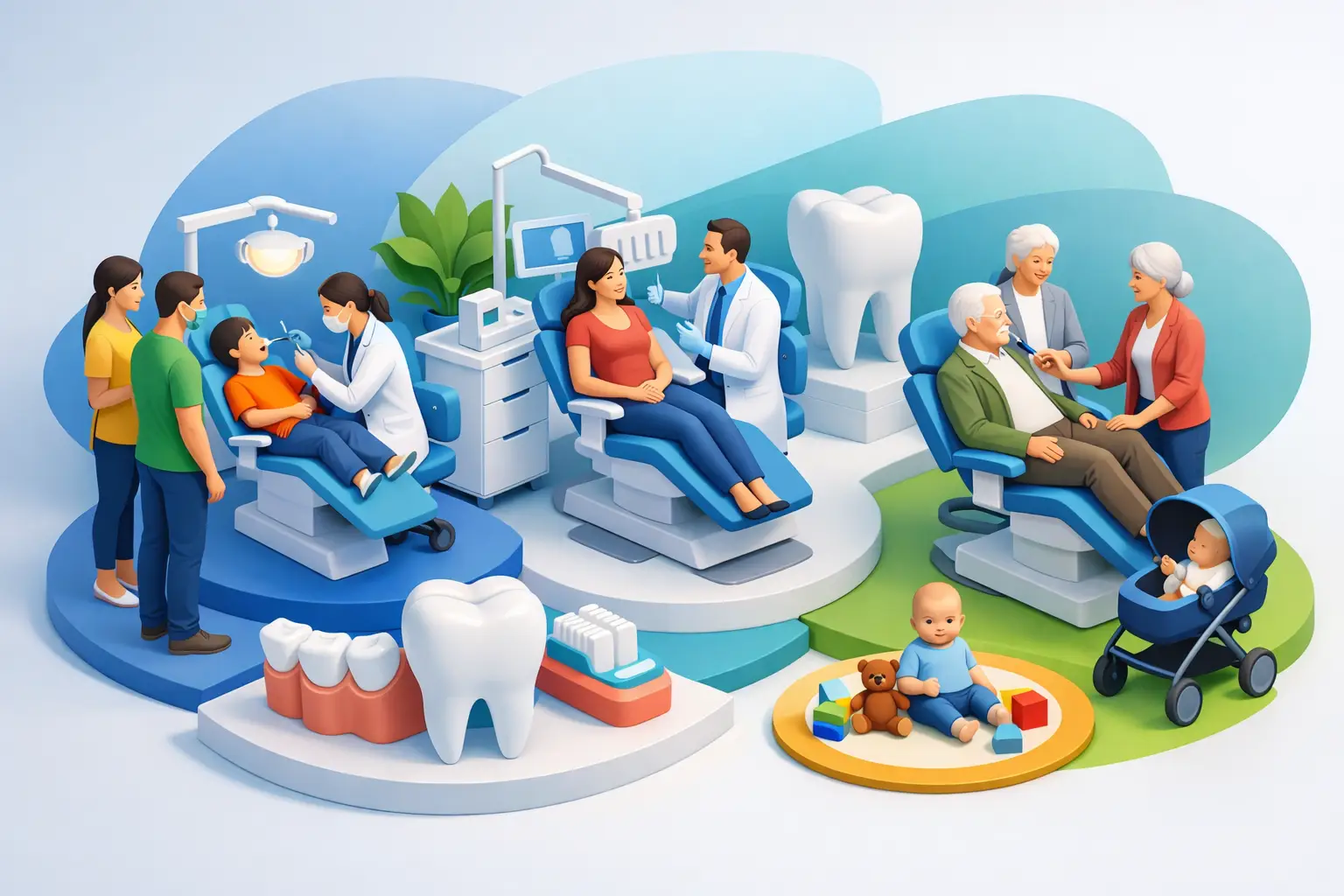

A toddler’s first dental visit, a teenager’s orthodontic consultation, a parent’s broken filling, and a grandparent’s need for a crown can all call for different care. A family dentist brings those needs together in one familiar setting, making it easier for each member of the household to receive care that fits their age, comfort level, health history, and goals.
For families, convenience matters. So does continuity. When one dental team gets to know your family over time, it can spot changes early, explain treatment options clearly, and help you make decisions without feeling rushed or passed between multiple offices.
What a family dentist can do for your household
Family dentistry is built around comprehensive care, not a one-size-fits-all appointment. The focus starts with prevention, including oral examinations, professional hygiene visits, digital X-rays when needed, fluoride recommendations, and practical guidance for home care. These routine visits are often where small concerns are found before they become painful, expensive, or more complicated to treat.
A full-service practice can also provide restorative care when prevention alone is not enough. Fillings, root canal therapy, extractions, crowns, bridges, dentures, and implants may all play a role in restoring a damaged or missing tooth. The right option depends on factors such as the condition of the tooth, bone support, bite, budget, and long-term goals.
Cosmetic and orthodontic care can be part of the same relationship. Whitening, veneers, bonding, braces, and clear aligner treatment may help patients improve the appearance and alignment of their smiles. These treatments are personal choices, but a comprehensive exam helps ensure the teeth and gums are healthy before cosmetic changes begin.
When urgent problems arise, having an established dental office is especially helpful. Tooth pain, a cracked tooth, swelling, a lost filling, or a dental injury should not have to wait for a new-patient search. Prompt assessment can relieve discomfort and protect the tooth whenever possible.
Why continuity of care makes a difference
Dental needs change over a lifetime, often in ways that are easier to manage when there is a clear record of prior care. A child who begins with short, encouraging visits can grow into a teen who needs help managing orthodontic treatment. Years later, the same patient may need a crown, treatment for gum concerns, or guidance on replacing a missing tooth.
This continuity does not mean every person in a family will need the same treatment. It means the dental team can connect the dots. They can compare digital images over time, monitor a developing bite, recognize patterns of wear caused by grinding, and discuss whether a watch-and-wait approach is appropriate or whether treatment should begin now.
For parents, this can reduce uncertainty. Instead of receiving a quick recommendation without context, you can ask why a treatment is suggested, what alternatives may exist, how soon it is needed, and what may happen if you delay it. Clear treatment planning gives families room to make informed choices.
Care that grows with children
Children benefit from dental visits that are calm, positive, and easy to understand. Early visits help children become familiar with the sights, sounds, and routines of a dental office before they have a problem that requires urgent treatment. They also give parents a chance to ask about brushing, flossing, fluoride, diet, thumb sucking, eruption patterns, or concerns about crowded teeth.
A child-friendly approach is not about forcing a perfect appointment. Some children need a little more time, reassurance, or a gradual introduction to care. The goal is to build trust while protecting developing teeth.
As permanent teeth arrive, preventive care becomes even more valuable. Regular exams can identify early decay, monitor bite development, and guide families on when an orthodontic assessment may be useful. Not every child needs braces, and not every spacing issue requires immediate treatment. Timing depends on growth, tooth position, jaw development, and the nature of the concern.
Practical support for busy adults
Adults often postpone dental care because work, caregiving, and daily responsibilities come first. Unfortunately, a small chip, sensitive tooth, or bleeding gums can become more difficult to manage when ignored. Flexible scheduling and efficient diagnostic tools can make it more realistic to stay on track with regular care.
Modern dentistry also offers options that may reduce the number of visits for certain treatments. CEREC same-day crown technology, for example, can allow some patients to receive a custom crown in one appointment rather than wearing a temporary crown and returning later. It is not the best option for every clinical situation, but it can be a meaningful convenience when appropriate.
For adults with anxiety, comfort should be part of the treatment conversation. A gentle pace, clear explanations, breaks when needed, and nitrous oxide sedation can help many patients feel more at ease. Avoiding care because of fear is common, and a supportive team can help make the first step manageable.
Restorative options for older adults
As people age, dental care may become more focused on preserving function, managing wear, replacing missing teeth, and maintaining healthy gums. Crowns can protect weakened teeth. Bridges, dentures, and implants can help restore chewing ability and appearance after tooth loss. The best choice is rarely based on one factor alone.
For example, implants can provide a stable long-term replacement option, but they require adequate bone, healthy gums, and a treatment plan that fits the patient’s medical history and preferences. Dentures may be the more practical choice for some patients, while a bridge may be appropriate when neighboring teeth also need restoration. A careful examination and honest discussion are essential.
What to look for in a family dental office
A welcoming waiting room is helpful, but family-focused care goes much further. Look for a practice that provides comprehensive examinations, uses current diagnostic technology, explains findings in plain language, and offers treatment choices without pressure. It should also be prepared to care for children, adults, older patients, and people who feel nervous about dental visits.
Availability matters, too. A practice that can accommodate routine hygiene visits, planned treatment, and dental emergencies can save families time and stress. Ask how urgent concerns are handled and whether the office offers options for patients who need additional comfort support.
You should also feel comfortable asking about financial arrangements, insurance, preventive schedules, and the anticipated timeline for treatment. Dentistry is most manageable when there are no surprises and you understand what comes next.
Building healthier routines between appointments
Regular appointments are only one part of long-term oral health. Daily habits make a real difference. Brushing twice a day with fluoride toothpaste, cleaning between teeth daily, drinking water often, and limiting frequent sugary snacks and drinks all support healthier teeth and gums.
The word “frequent” matters. A sweet treat with a meal is generally less challenging for teeth than repeated sipping or snacking throughout the day. Families do not need perfection to make progress. Small, consistent changes are usually more sustainable than strict routines that disappear after a week.
If a tooth hurts, a filling falls out, or a child has a dental injury, call promptly rather than waiting to see whether the problem settles down. Early care may mean more comfort and more treatment options.
At Kingsway Family Dentistry, families in Beamsville and nearby communities can find care designed to be clear, comfortable, and responsive at every stage. Whether you are scheduling a child’s first visit, catching up on overdue care, or dealing with an unexpected dental concern, a familiar team can help you take the next step with confidence. Make an appointment when you are ready to give your household a dependable home for ongoing dental care.
Book your next appointment today at Kingsway Family Dentistry – dentist in Beamsville. Call (905) 563-4001 to schedule a check-up and take a step towards better health.
24*7 Online Dental appointment available now. Schedule your online booking.