
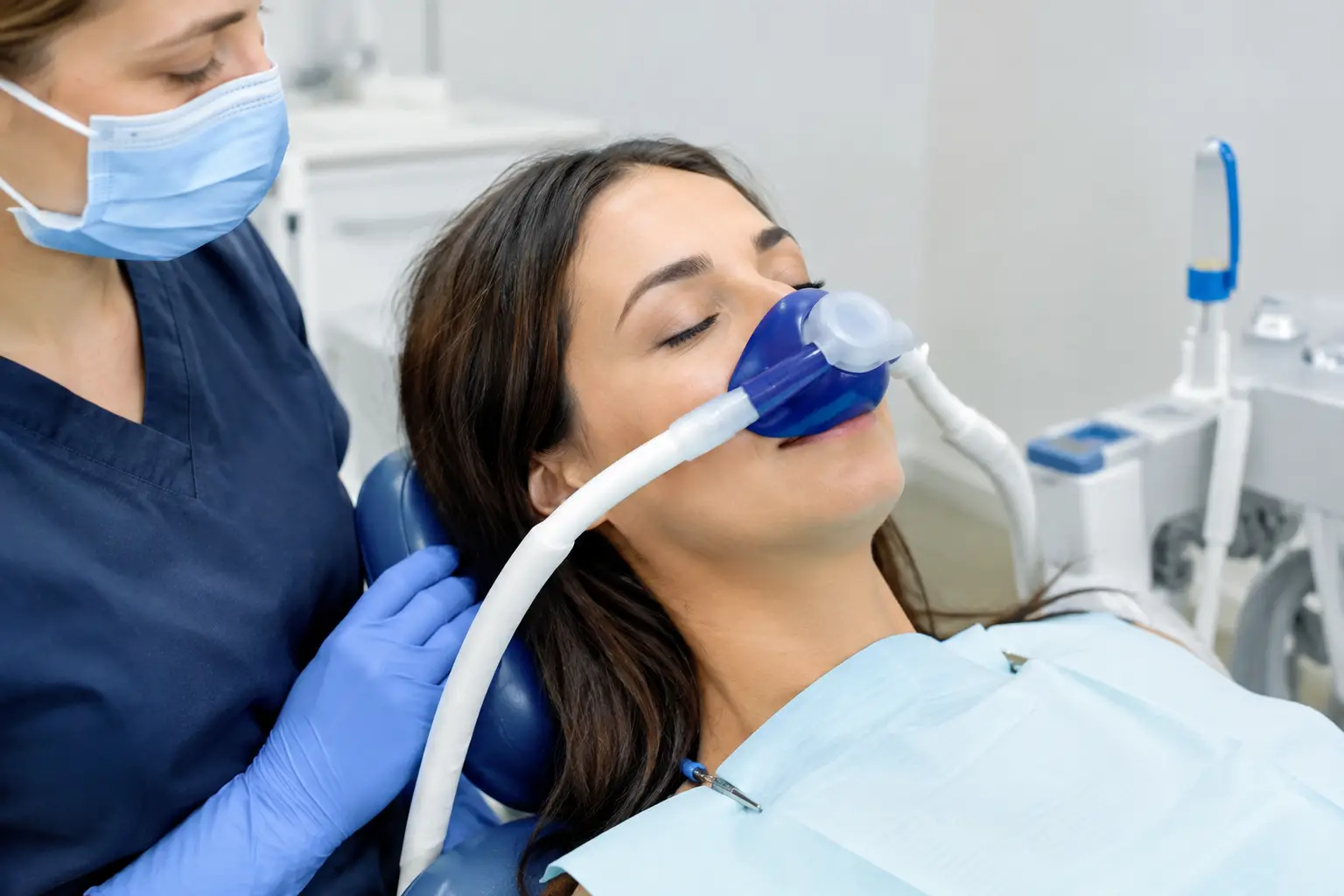

A dental appointment can feel difficult long before you sit in the chair. Some patients worry about a past experience, the sound of instruments, a sensitive gag reflex, or simply not knowing what will happen next. For people who feel this way, nitrous oxide for dental anxiety can be a helpful comfort option that makes care feel more manageable while allowing them to remain awake and responsive.
At Kingsway Family Dentistry, comfort begins with listening. Whether you have delayed a cleaning for years, need treatment for a painful tooth, or want a calmer experience for an upcoming procedure, your dental team can discuss your concerns and create a plan that feels clear and realistic.
What is nitrous oxide?
Nitrous oxide is a colorless, odorless gas that is breathed through a small mask placed over the nose during dental treatment. It is often called laughing gas, although most patients do not feel like laughing. More commonly, they describe feeling calmer, lighter, or less focused on the sights, sounds, and sensations of the appointment.
The effect begins within a few minutes and can be adjusted by the dental team throughout the visit. You remain conscious, can answer questions, and can cooperate with instructions. Local anesthetic may still be needed for procedures such as fillings, root canal treatment, or extractions because nitrous oxide is not a replacement for numbing a tooth. Instead, it can make the overall experience less stressful.
One of its practical benefits is that the effects typically wear off quickly after the mask is removed and you breathe oxygen for a short period. Your dentist will give you personalized aftercare instructions based on your health history and the treatment you receive.
Who may benefit from nitrous oxide for dental anxiety?
Dental anxiety is not always dramatic. It can look like canceling appointments, putting off a recommended crown, feeling tense during a hygiene visit, or only seeking care once a toothache becomes urgent. Adults and children may both feel anxious, and the reason is different for every person.
Nitrous oxide may be considered for patients who have mild to moderate anxiety, feel uneasy about injections, have difficulty relaxing in the dental chair, or have a strong gag reflex. It may also help a patient who needs a longer appointment feel more comfortable and better able to complete treatment.
For children, the decision is especially individualized. A young patient may benefit when anxiety or fear makes it hard to receive necessary care, but parents should expect a conversation about their child’s health, level of cooperation, and the type of treatment planned. A gentle explanation, familiar routines, and a child-friendly approach remain important parts of a positive visit.
It is not the best choice for every person or every procedure. Certain medical conditions, medications, respiratory concerns, pregnancy, recent illness, or difficulty breathing through the nose can affect whether it is appropriate. Your dentist will review your medical history and ask questions before recommending any comfort option.
What to expect at your appointment
Knowing the sequence of events can take some of the uncertainty out of the day. Before treatment, the team will review your health history, discuss your concerns, and explain what you may feel. This is a good time to mention previous dental experiences, a fear of needles, a sensitive gag reflex, or anything else that could affect your comfort.
A small nasal mask is then positioned comfortably over your nose. You will be asked to breathe normally. Within a few minutes, you may notice a warm, tingling, or floating sensation. Some patients feel pleasantly detached from the activity around them, while others simply notice that they are no longer as tense.
Your dental team will continue checking in with you during treatment. Because you remain awake, you can signal if you need a break or have a question. If your procedure requires local anesthetic, it can be provided once you are feeling more at ease.
At the end of the appointment, oxygen is provided through the mask to help clear the gas from your system. Many patients feel like themselves again shortly afterward. Still, follow the instructions you are given, especially if you had additional medication, a surgical procedure, or treatment that affects eating and drinking.
A comfort option, not a substitute for communication
Nitrous oxide can be useful, but the best anxiety support is rarely just one thing. A comfortable dental visit often depends on clear communication, a predictable pace, and a team that takes concerns seriously.
Tell your dentist what helps. Some patients prefer a step-by-step explanation before treatment begins. Others would rather hear only the essentials and use headphones to limit surrounding sounds. You may want a hand signal for a pause, a blanket, or short breaks during a longer procedure. These small preferences can make a meaningful difference.
If you have avoided dental care because of embarrassment, please know that you are not alone. Dental teams see patients at every stage of oral health, including people returning after a long gap in care. The focus should be on understanding your current needs and helping you move forward without judgment.
Preparing for a calmer visit
Your dentist may provide specific instructions before your appointment. Follow them carefully, particularly if you are scheduled for a more involved procedure. In general, arrive with enough time that you are not rushing, wear comfortable clothing, and bring a current list of medications if your health information has changed.
Avoid assuming that a comfort option will solve every concern on its own. If dental fear has led to panic attacks, severe avoidance, or trouble completing even simple appointments, tell your dentist before treatment day. A consultation may be the best first step. It gives you time to talk through options, ask questions, and plan care at a pace that feels achievable.
It can also help to begin with a routine examination or hygiene appointment when possible. A lower-pressure visit lets you get familiar with the office, meet the team, and establish trust before more extensive treatment is needed. For a patient facing urgent pain or trauma, the priority may be immediate relief, but communication still matters.
Questions worth asking your dentist
You should feel comfortable asking how this option fits your planned treatment, what you may feel, how quickly the effects should pass, and whether any part of your medical history changes the recommendation. Ask about alternatives as well. The right approach may involve a combination of relaxation techniques, local anesthetic, shorter visits, or another method based on your needs.
Be honest about previous reactions to medications or dental treatment. Your dentist is not looking for perfect answers. They are gathering the information needed to make your care safer and more comfortable.
Taking the first step after dental avoidance
Putting off care can turn a small concern into a larger one, whether that means a cavity that needs a filling, a cracked tooth that may need a crown, or gum irritation that has become more difficult to manage. Scheduling an appointment does not mean you have to commit to treatment before your questions are answered.
A thoughtful conversation can help you understand your options and decide what feels right. If dental anxiety has been standing between you and the care you need, start by letting the dental team know. A calm, supported visit is possible, and the first call is often the hardest part.