
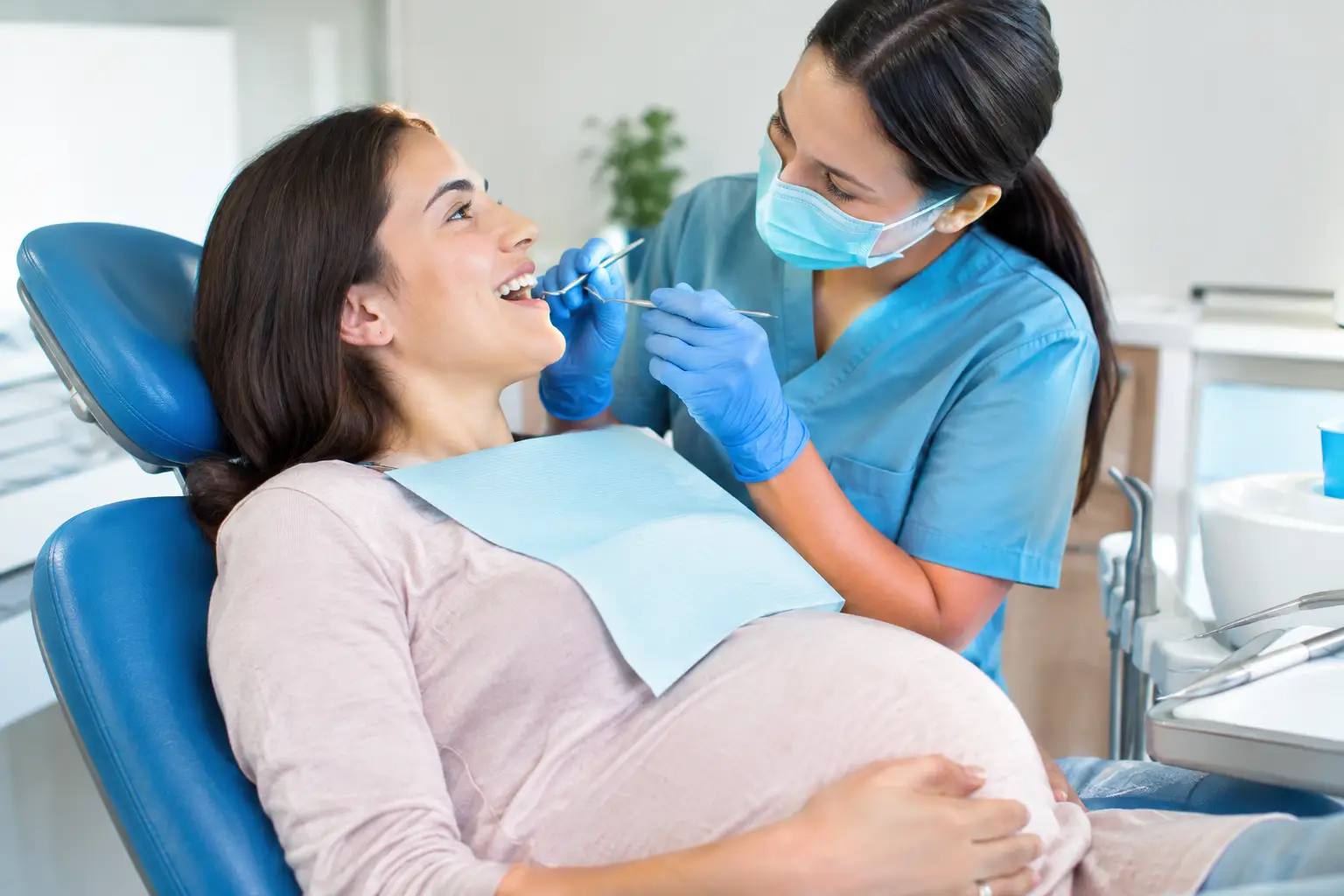

A sore, bleeding gumline can feel like one more unwelcome pregnancy symptom. It does not have to be something you simply tolerate. Dental care during pregnancy is generally safe, and keeping regular appointments can help prevent small concerns from becoming painful, time-sensitive problems.
Pregnancy brings real changes to your mouth, from tender gums and morning-sickness-related enamel wear to dry mouth and food cravings. A dental team that knows you are pregnant can tailor your visit, explain each recommendation clearly, and help you stay comfortable throughout your care.
Why dental care during pregnancy matters
Hormonal changes can make gums react more strongly to plaque, the sticky bacterial film that forms on teeth every day. Even patients with a consistent brushing routine may notice redness, swelling, bleeding when brushing, or tenderness between the teeth. This is often called pregnancy gingivitis.
Gingivitis is common, but it should not be ignored. Professional hygiene care and effective daily plaque removal can usually bring gum inflammation under better control. Leaving it untreated may allow it to progress into more serious gum disease, especially when other risk factors are present.
Pregnancy can also make existing dental problems more noticeable. A cavity that was once small may begin to ache. A cracked filling may become sensitive. Frequent snacking, cravings for sweet foods, dry mouth, and nausea can raise the risk of tooth decay. Regular examinations give your dentist the chance to identify these concerns early, before they interrupt sleep, meals, or an already busy schedule.
Pregnancy does not cause cavities by itself
The idea that pregnancy automatically damages teeth is a myth. What changes is the environment in your mouth and, sometimes, the ability to maintain familiar routines. If brushing triggers nausea or fatigue makes flossing feel impossible at night, plaque can build up more easily. Clear, practical adjustments are often more helpful than trying to follow a perfect routine.
What dental treatment is safe while pregnant?
Routine dental examinations, cleanings, and necessary treatment are commonly provided during pregnancy. Tell the office how far along you are, whether your pregnancy has any complications, and what medications or prenatal vitamins you take. This information helps the dental team plan care with your overall health in mind.
The second trimester is often a comfortable time for planned treatment because early nausea may have improved and it is usually easier to sit back in the dental chair. Still, there is no need to wait for urgent care. A toothache, infection, swelling, broken tooth, or lost filling deserves prompt attention at any stage of pregnancy.
When treatment is needed, delaying it can create more discomfort and may make the problem harder to treat. Your dentist can coordinate with your prenatal care provider when appropriate, particularly if you have a high-risk pregnancy, a complex medical history, or questions about medication.
X-rays and local anesthetic
Dental X-rays are not taken routinely just because you are pregnant. However, a digital X-ray may be recommended when it is clinically needed to diagnose pain, infection, trauma, or a condition that cannot be evaluated fully by examination alone. Modern digital imaging uses low radiation, and your dental team will use appropriate protective measures and only take images that are necessary.
Local anesthetic is commonly used for needed dental procedures during pregnancy. Being numb allows treatment to be completed comfortably and reduces the stress of managing pain. Always share your full health history so the dentist can select and document the most appropriate approach for you.
For elective services, timing may differ. Teeth whitening, veneers, and other cosmetic treatments can usually wait until after pregnancy, not because they are necessarily an emergency concern, but because the focus should remain on oral health, comfort, and essential care. Orthodontic planning may still be discussed if it helps you understand future options, while active treatment decisions should be personalized.
Managing the most common pregnancy mouth concerns
A few focused habits can make a meaningful difference. Brush twice daily with a soft-bristled toothbrush and fluoride toothpaste. Clean between your teeth once a day with floss, interdental brushes, or another method recommended by your dental team. If your gums bleed, be gentle but do not stop cleaning the area. Bleeding gums often need more careful plaque removal, not less.
Morning sickness requires a different approach. Stomach acid can temporarily soften enamel, so avoid brushing immediately after vomiting. Rinse your mouth with water first. Some patients find a baking soda rinse helpful: mix one teaspoon of baking soda into a cup of water, swish gently, and spit. Wait about 30 minutes before brushing so you are not brushing softened enamel.
If a strong toothpaste flavor causes gagging, try a milder flavor or brush slowly with a smaller amount of toothpaste. A small-headed toothbrush can also help reach back teeth more comfortably. Mention persistent nausea or vomiting to your prenatal care provider, especially if it is making eating, drinking, or oral hygiene difficult.
Frequent snacking can be practical during pregnancy, but how often teeth are exposed to sugar and acid matters. When possible, choose water between meals and snacks. Foods such as cheese, yogurt, vegetables, nuts, and fruit can support a more tooth-friendly routine than repeatedly sipping sweet drinks or grazing on sticky snacks. You do not need to eliminate every craving. The goal is to reduce repeated exposure and clean effectively afterward.
When to call the dentist right away
Do not wait for your next cleaning if you have pain that keeps you awake, facial swelling, a pimple-like bump on the gums, a broken tooth with sharp edges, or bleeding that is heavy or does not settle. These symptoms may point to an infection or injury that needs timely care.
Contact your dental office if you notice a rapidly growing gum lump, severe sensitivity to hot or cold, trouble chewing, or a loose restoration. Pregnancy-related gum growths can occur and are often harmless, but any new oral change should be evaluated rather than self-diagnosed.
If swelling affects breathing or swallowing, seek emergency medical attention immediately. For other urgent dental concerns, calling early gives the office more options to relieve pain and protect the tooth.
Make appointments easier on your body
Comfort is part of good dental care. Let the team know if you need to change position, take a short break, use the restroom, or sit more upright. Later in pregnancy, lying flat for a long time may feel uncomfortable or lightheaded for some patients. A pillow, a slight change in chair position, and shorter appointments can make a real difference.
Bring a current medication list and the name of your prenatal care provider to your appointment. If you have been advised to take antibiotics before certain procedures because of a medical condition, confirm that plan with both providers. Clear communication helps everyone make decisions based on your individual needs rather than assumptions.
At Kingsway Family Dentistry, a comprehensive examination can help identify gum inflammation, decay, damaged restorations, and other concerns early. The goal is not to add another task to your pregnancy checklist. It is to give you a comfortable, clear plan for protecting your smile while your body is already doing so much.
A healthy mouth is one less source of discomfort to carry through pregnancy. If something feels different, painful, or worrying, trust that signal and ask for care. A timely conversation with your dental team can turn uncertainty into a practical next step.