
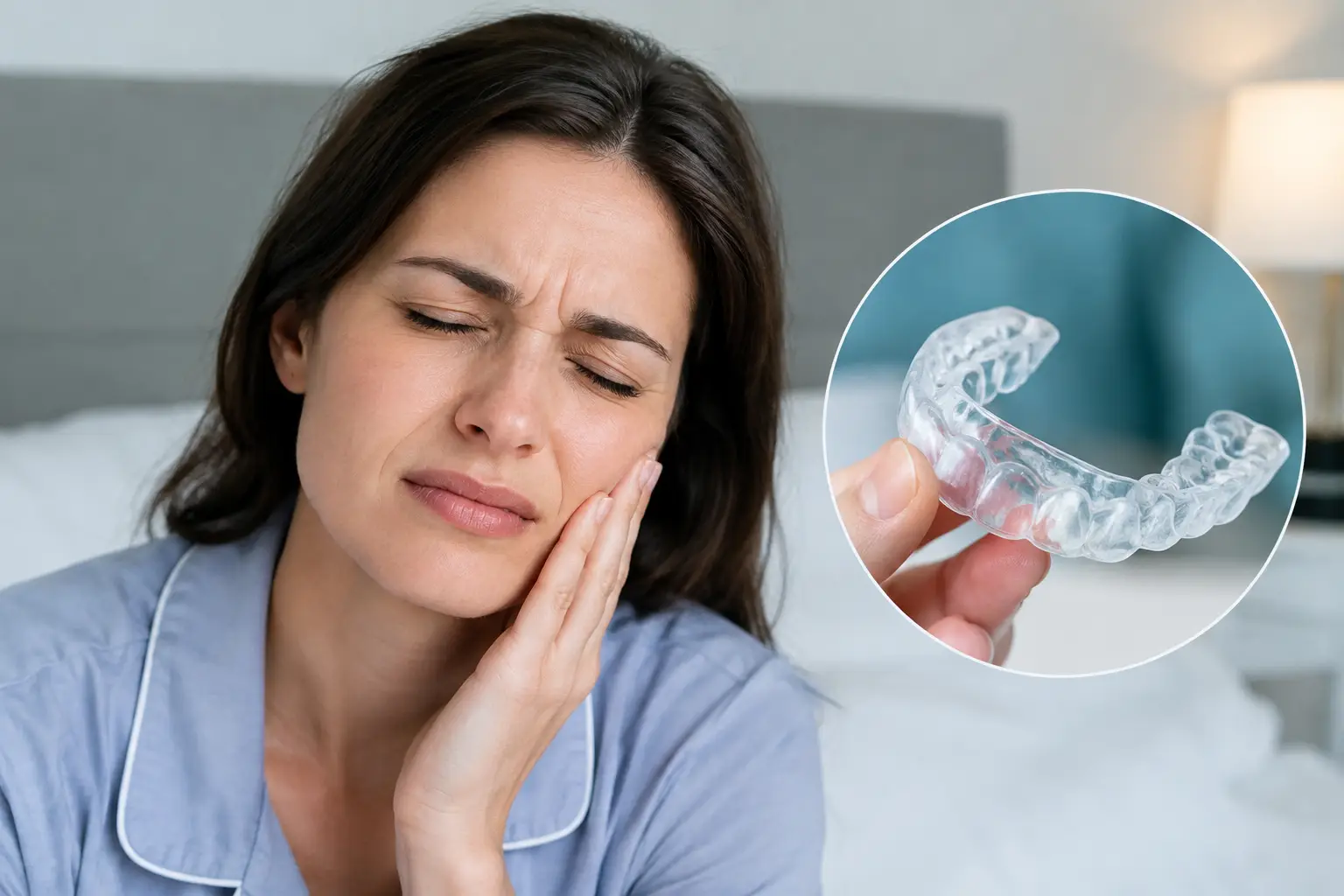

Waking with a tight jaw, a dull headache, or teeth that feel unusually sensitive can make the morning start on the wrong foot. If you are wondering how to stop teeth grinding, the answer is rarely a single quick fix. Grinding, also called bruxism, can happen during sleep or while you are awake and concentrating, stressed, or driving. The most effective approach is to protect your teeth now while identifying what may be triggering the habit.
Teeth grinding is common, but it should not be ignored. Repeated pressure can wear down enamel, chip fillings or crowns, strain the jaw joints, and leave teeth more vulnerable to sensitivity and fractures. A dental examination can help determine whether the marks on your teeth point to grinding and whether another issue, such as an uneven bite or a damaged tooth, needs attention.
Why teeth grinding happens
Sleep-related grinding is not always under your control. Stress can play a role, but it is not the only explanation. Some people clench during periods of poor sleep, while others grind more when they consume caffeine late in the day, drink alcohol close to bedtime, smoke, or use certain medications. Sleep breathing concerns, including snoring or interrupted breathing, may also be associated with nighttime grinding.
Daytime clenching often looks different. You may notice it when you are answering emails, lifting weights, commuting, or concentrating on a task. Many people keep their teeth together without realizing it. In a relaxed jaw position, your lips can be closed, but your upper and lower teeth should not be touching.
Children can grind as well, particularly when their teeth and bite are changing. It often resolves as they grow, but a dentist should assess persistent grinding, tooth wear, jaw discomfort, or sleep concerns.
How to stop teeth grinding during the day
Daytime awareness is a practical starting point because it gives you a chance to interrupt the clenching cycle. Try setting a few quiet reminders on your phone for one week. When the reminder appears, let your shoulders drop, rest your tongue gently behind your upper front teeth, and allow a small space between your teeth.
Pay attention to the situations that trigger tension. If you catch yourself clenching during work, take a brief break to stretch your neck and jaw, breathe slowly, or step away from the screen. This is not about eliminating stress perfectly. It is about giving your jaw fewer hours under pressure.
Avoid chewing gum, ice, pens, or other non-food items if your jaw is sore. These habits keep the chewing muscles active and can make tenderness worse. Choose softer foods for a day or two during a flare-up, especially if chewing causes pain.
Improve the conditions for restful sleep
A calmer bedtime routine may reduce the factors that contribute to nighttime clenching. Aim for consistent sleep and wake times, even on weekends when possible. Give yourself time to wind down without work messages, intense exercise, or upsetting media immediately before bed.
Caffeine affects people differently, so the right cutoff time depends on your sensitivity. If you grind at night, consider avoiding coffee, energy drinks, and other caffeinated products in the afternoon and evening for a few weeks to see whether it helps. Limiting alcohol near bedtime may also be worthwhile, since alcohol can disrupt normal sleep patterns.
Gentle heat can ease tired jaw muscles. Hold a warm, damp cloth against the side of your face for 10 to 15 minutes before bed, then slowly massage the cheek muscles and temples. Keep the pressure light. If heat makes pain worse or swelling is present, contact a dental professional instead of pushing through discomfort.
Relaxation techniques can help some people, particularly when stress is a clear trigger. Slow breathing, guided muscle relaxation, journaling, or a quiet stretch routine are all reasonable choices. The goal is not to promise a completely grind-free night. It is to reduce the tension your body carries into sleep.
Protect your teeth with the right night guard
A night guard is often one of the most reliable ways to prevent further tooth damage from sleep grinding. It does not necessarily stop the jaw muscles from contracting, but it creates a protective barrier between the upper and lower teeth. That can reduce wear, chipping, and pressure on existing dental work.
Store-bought guards can seem like an easy solution, and a short-term option may be appropriate for some adults. However, bulky or poorly fitting guards can be uncomfortable, affect the bite, or be difficult to wear consistently. They are also not ideal if you have significant tooth movement, loose teeth, untreated gum disease, braces, extensive restorative work, or jaw pain.
A custom dental night guard is made from impressions or digital scans of your teeth and designed for your bite. It is usually thinner, more secure, and more comfortable than a generic option. During a comprehensive examination, your dentist can also check whether the guard is fitting properly over time. Teeth can shift, restorations can change, and a guard may need adjustment or replacement.
Do not try to use a sports mouthguard as a long-term substitute. Sports guards are made to cushion impacts, while nighttime guards are designed to manage grinding forces. They serve different purposes.
When teeth grinding needs dental treatment
Home care and a night guard are helpful, but they do not replace an evaluation when symptoms are persistent. A dentist can look for flattened chewing surfaces, tiny fractures, receding gums, broken restorations, and changes in how your teeth meet. Digital imaging may be recommended when there is concern about the roots, bone, jaw joint area, or a tooth that hurts with pressure.
Treatment depends on what the examination finds. A worn or cracked tooth may need a filling, crown, or other restorative care to prevent further damage. If a tooth has become severely worn, treatment planning may involve rebuilding its shape so that chewing remains comfortable and balanced. For patients with missing teeth or older dental work, restoring proper function can also reduce strain on the remaining teeth.
If jaw pain, clicking, or limited opening is part of the picture, your dentist may recommend a plan focused on reducing joint and muscle stress. This can include a custom appliance, targeted self-care, and monitoring. Orthodontic treatment may be discussed in select situations, but it is not a universal cure for grinding. The best option depends on your bite, tooth condition, symptoms, and overall oral health.
Signs you should make an appointment soon
Grinding can be quiet enough that a sleeping partner never hears it. Your symptoms still matter. Schedule a dental visit if you have ongoing jaw soreness, frequent morning headaches, increased tooth sensitivity, chipped teeth, a cracked filling or crown, or pain when biting down.
Seek prompt care for severe tooth pain, facial swelling, a broken tooth with a sharp edge, or a crown that has come loose. These problems can worsen quickly, especially when grinding continues to place pressure on a damaged tooth.
It is also wise to speak with your physician if you grind and have loud snoring, gasping during sleep, significant daytime tiredness, or suspected sleep apnea. Addressing sleep health can be an important part of managing nighttime grinding, and your dental team can help identify when a medical conversation is appropriate.
A small habit change can protect a lot of dentistry
Teeth grinding often develops quietly, but the wear it causes can be lasting. Start by noticing daytime clenching, improve the habits around sleep, and have your teeth evaluated if symptoms continue. With a comfortable, personalized plan, you can protect your natural teeth, reduce jaw strain, and wake up feeling more like yourself.