

A filling can seem fine at breakfast and suddenly feel sharp, loose, or missing by lunch. If you are wondering how to handle a broken filling, the immediate goal is simple: protect the exposed tooth, avoid making the damage worse, and arrange a dental appointment as soon as possible. A broken filling is usually treatable, but waiting too long can allow decay, sensitivity, or a crack in the tooth to progress.
First, Know What a Broken Filling Can Feel Like
Fillings can chip, crack, wear down, loosen, or fall out completely. You may notice a rough edge with your tongue, pain when chewing, sensitivity to cold or sweets, or food repeatedly catching in one spot. Sometimes there is no pain at all – especially when a small part of an older filling breaks away.
The absence of pain does not mean the tooth is protected. A filling seals an area that was previously affected by decay or damage. Once that seal is compromised, bacteria and food particles can enter small gaps around the filling and irritate the inner tooth.
A loose filling may feel like it shifts when you bite. If a piece comes out, save it if you can, but do not worry if you cannot find it. Your dentist will examine the tooth itself rather than reuse the old material.
How to Handle a Broken Filling at Home
A broken filling needs professional care, but a few sensible steps can make you more comfortable and help prevent further damage before your visit.
Start by rinsing gently with warm water to clear away food debris. If the tooth is sensitive or has a sharp edge, avoid probing the area with a toothpick, fingernail, or other object. Trying to remove pieces of filling yourself can chip the tooth or push debris deeper into the area.
Brush normally, but use a soft toothbrush and take extra care around the affected tooth. Floss gently. If floss catches on a jagged edge, slide it out through the side rather than pulling upward, which may dislodge more filling material.
Until you are seen, chew on the other side of your mouth whenever possible. Choose softer foods and avoid hard candy, nuts, popcorn, ice, crusty bread, sticky candy, and anything that requires heavy biting pressure. Very hot, cold, sweet, or acidic foods can also trigger sensitivity when part of the tooth is exposed.
For discomfort, an over-the-counter pain reliever may help when used according to the product label and your own medical guidance. A cold compress on the outside of the cheek can reduce swelling or soreness. Do not place aspirin directly on the tooth or gums. It can irritate oral tissues and does not treat the source of the problem.
Temporary dental repair material from a pharmacy may cover a rough area for a short time if you cannot be seen promptly. It is not a replacement for a dental filling or an excuse to delay care. Avoid household glues, putty, wax not intended for dental use, or attempts to cement a filling back into place.
When a Broken Filling Needs Urgent Care
Call a dentist promptly for any broken filling, particularly if it is painful, sharp, or completely missing. Same-day care may be appropriate when discomfort is significant or the tooth is at risk of further fracture.
Seek urgent dental attention if you have severe or worsening pain, facial swelling, fever, drainage or a bad taste near the tooth, trouble opening your mouth, or pain that keeps you awake. These symptoms can indicate infection or inflammation involving the tooth’s nerve and should not be managed at home.
A cracked tooth can sometimes look like a broken filling. If biting causes a sudden, sharp pain or you see a piece of the tooth itself missing, avoid chewing on that side and call right away. A prompt examination can make the difference between a straightforward restoration and more extensive treatment.
Why Fillings Break or Fall Out
Fillings are durable, but they do not last forever. Normal chewing pressure, years of temperature changes, and the natural expansion and contraction of tooth material can gradually weaken the bond between a filling and a tooth.
New decay around the edge of a filling is another common cause. It can undermine the tooth structure supporting the restoration, allowing a filling to crack or loosen. Teeth grinding and clenching may also place enough repeated force on fillings to cause chips, fractures, or early wear.
Sometimes the filling is not the only concern. A large filling can leave the remaining tooth walls more vulnerable to breaking, especially in back teeth that absorb strong chewing forces. In that situation, simply placing another filling may not provide enough long-term protection.
What Your Dental Visit May Involve
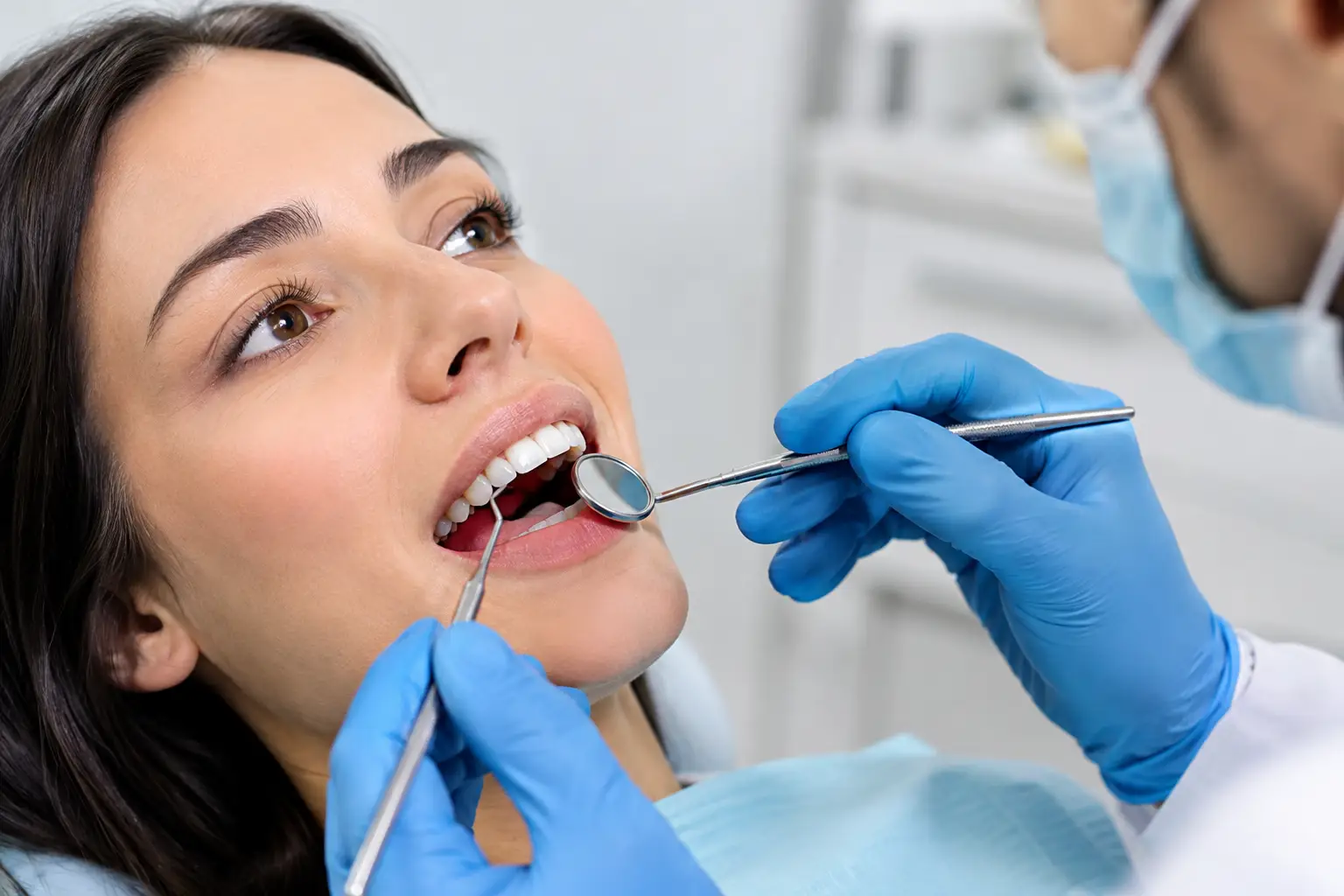
At your appointment, the dental team will examine the tooth, surrounding gums, and bite. Digital X-rays may be recommended to check for decay beneath or beside the filling, evaluate the tooth roots, and see whether damage extends beyond what is visible in the mouth.
Treatment depends on the size and location of the break, the amount of healthy tooth structure remaining, and whether the tooth nerve has been affected. A small chip or worn edge may only need smoothing or a new filling. If decay has developed around the old filling, the damaged material is removed and the tooth is restored after the area is cleaned.
When a large portion of a tooth has fractured, a crown may be the better option. A crown covers and reinforces the remaining tooth, helping it withstand normal chewing. For busy patients, same-day crown technology can sometimes allow a custom restoration to be designed and placed in one visit, depending on the tooth and treatment plan.
If bacteria have reached the nerve inside the tooth, root canal treatment may be recommended before placing a crown or final restoration. This is not the outcome for every broken filling, but it is one reason not to ignore persistent pain or sensitivity.
Your dentist should explain what they see, why a particular repair is recommended, and what alternatives may be reasonable. A small filling is often the most conservative choice when the tooth is strong enough. A crown involves more treatment, but it may offer better protection when little healthy tooth remains. The right answer depends on the individual tooth, not just the fact that a filling broke.
Can You Prevent Another Broken Filling?
You cannot prevent every filling from wearing out, but regular checkups make it easier to spot changes before a filling fails unexpectedly. During comprehensive examinations, dentists look for worn edges, tiny cracks, leakage, and early decay around existing restorations. These issues are often easier to address before they cause pain.
Daily brushing with fluoride toothpaste and cleaning between teeth help reduce the risk of decay at filling margins. If you grind or clench your teeth, ask whether a custom night guard could protect your teeth and restorations. It is also wise to avoid using teeth to open packaging, bite fingernails, or crunch ice – habits that can fracture both fillings and natural enamel.
Children and adults alike benefit from mentioning any sensitivity, food trapping, or change in their bite during routine appointments. These small observations give your dental team useful clues, even when a filling still appears intact.
A Calm, Prompt Next Step
A broken filling is frustrating, but it is not something you have to solve alone. Protect the tooth, keep the area clean, and arrange an examination rather than waiting for discomfort to become an emergency. At Kingsway Family Dentistry, our team can assess the damage, explain your options clearly, and help restore a comfortable, functional smile with care that fits your family’s schedule.